




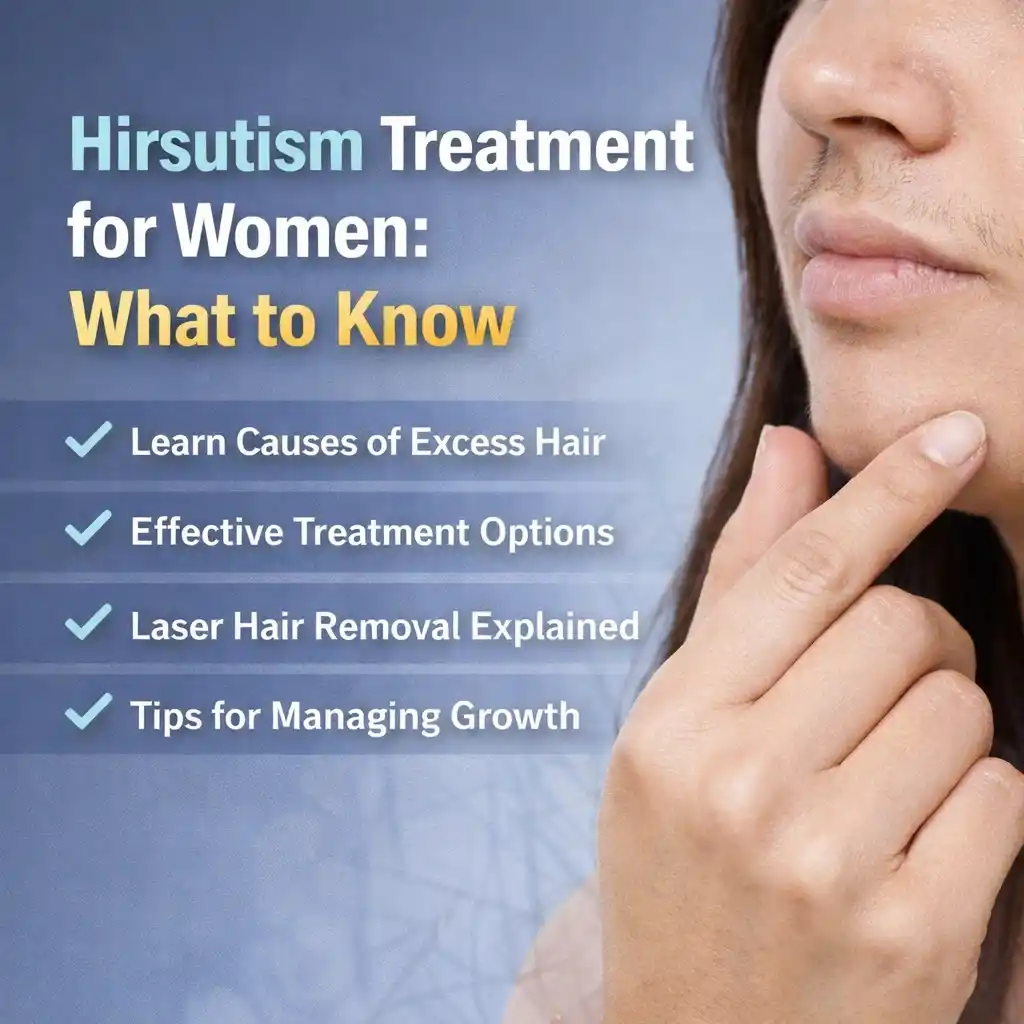
Excess facial or body hair in women can be emotionally distressing and impact self-confidence. While occasional hair growth is normal, excessive coarse, dark hair in areas such as the face, chest, back, or abdomen may indicate a medical condition called hirsutism. If you are searching for reliable information about Hirsutism Treatment for Women: What to Know, this detailed guide will help you understand the causes, diagnosis, and modern treatment options available.
What is Hirsutism?
Hirsutism is a condition characterized by excessive hair growth in women in areas where men typically grow hair. This happens due to increased levels of male hormones (androgens) or heightened sensitivity of hair follicles to these hormones.
Common areas affected include:
-
Upper lip
-
Chin
-
Jawline
-
Chest
-
Lower abdomen
-
Back
Understanding Hirsutism Treatment for Women: What to Know begins with identifying the root cause rather than simply removing unwanted hair temporarily.
What Causes Hirsutism in Women?
Several underlying factors can lead to hirsutism:
1. Polycystic Ovary Syndrome (PCOS)
PCOS is one of the most common causes. It leads to hormonal imbalance and increased androgen production.
2. Hormonal Imbalance
Elevated testosterone levels can stimulate excessive hair growth.
3. Genetic Factors
Family history plays a significant role. Women from certain ethnic backgrounds may naturally have more body hair.
4. Adrenal Gland Disorders
Rare adrenal conditions can increase androgen levels.
5. Medications
Certain medications may trigger unwanted hair growth as a side effect.
Before starting Hirsutism Treatment for Women: What to Know, a proper medical evaluation is essential.
Symptoms Associated with Hirsutism
Besides unwanted hair growth, some women may experience:
-
Irregular menstrual cycles
-
Acne
-
Deepening of the voice (in severe cases)
-
Weight gain
-
Thinning scalp hair
If multiple symptoms are present, medical consultation is highly recommended.
Diagnosis of Hirsutism
A healthcare professional may recommend:
-
Physical examination
-
Hormone level testing
-
Ultrasound (to check for PCOS)
-
Medical history review
Proper diagnosis ensures that Hirsutism Treatment for Women: What to Know is tailored specifically to your condition.
Hirsutism Treatment for Women: What to Know About Options
Treatment depends on the severity and underlying cause. Below are the most effective options:
1. Lifestyle Changes
If hirsutism is linked to PCOS or obesity, lifestyle modifications can help:
-
Balanced diet
-
Regular exercise
-
Weight management
Even a small weight reduction can improve hormonal balance and reduce hair growth.
2. Medications
Doctors may prescribe:
-
Oral contraceptive pills to regulate hormones
-
Anti-androgen medications to reduce testosterone levels
-
Insulin-sensitizing drugs (for PCOS-related cases)
Medication-based Hirsutism Treatment for Women: What to Know often requires patience, as visible improvement may take 3–6 months.
3. Laser Hair Removal
Laser treatment is one of the most popular and effective cosmetic solutions. It targets hair follicles with concentrated light energy, reducing hair growth significantly over multiple sessions.
Benefits include:
-
Long-term hair reduction
-
Precision targeting
-
Minimal discomfort
-
Suitable for various skin types
Laser therapy is an important part of modern Hirsutism Treatment for Women: What to Know for women seeking lasting results.
4. Electrolysis
Electrolysis permanently destroys hair follicles using electrical current. It works well for small areas but may require multiple sessions.
5. Combination Therapy
In many cases, combining medication with laser therapy provides better and faster outcomes. Treating hormonal imbalance internally while reducing hair externally ensures comprehensive results.
Is Hirsutism Curable?
The answer depends on the cause. If linked to hormonal imbalance or PCOS, proper management can significantly reduce symptoms. While some cases may require long-term management, effective Hirsutism Treatment for Women: What to Know ensures noticeable improvement and better quality of life.
Emotional Impact of Hirsutism
Many women experience:
-
Low self-esteem
-
Anxiety
-
Social withdrawal
-
Body image concerns
Seeking professional treatment not only improves physical appearance but also restores confidence and emotional well-being.
Myths About Hirsutism
Myth 1: Shaving makes hair thicker
Shaving does not increase hair thickness; it only cuts hair at the surface.
Myth 2: Only overweight women get hirsutism
While weight can influence hormones, women of any body type may develop the condition.
Myth 3: Laser treatment works in one session
Multiple sessions are required for effective long-term reduction.
Understanding these facts is essential when exploring Hirsutism Treatment for Women: What to Know.
When Should You See a Doctor?
Consult a specialist if:
-
Hair growth increases suddenly
-
You notice irregular periods
-
Acne worsens significantly
-
You experience other hormonal symptoms
Early diagnosis improves treatment effectiveness.
Tips for Managing Hirsutism
While undergoing treatment:
-
Avoid harsh hair removal methods that irritate skin
-
Maintain a healthy diet rich in protein and fiber
-
Reduce stress through yoga or meditation
-
Follow your doctor’s treatment plan consistently
Consistency is key in achieving the best results from Hirsutism Treatment for Women: What to Know.
Final Thoughts
Hirsutism is a manageable condition with the right medical guidance and modern treatments. Understanding the causes, exploring available options, and seeking professional advice are essential steps toward smoother skin and restored confidence.
If you are dealing with unwanted hair growth, don’t ignore the symptoms. Early intervention and a customized treatment plan can significantly improve results. By learning about Hirsutism Treatment for Women: What to Know, you empower yourself to make informed decisions about your health and well-being.
FAQs
1. What is the main cause of hirsutism in women?
The most common cause is Polycystic Ovary Syndrome (PCOS), which leads to hormonal imbalance.
2. Is hirsutism permanent?
It depends on the cause. Hormonal management and laser treatments can significantly reduce hair growth.
3. How long does hirsutism treatment take?
Results vary, but noticeable improvement may take 3–6 months depending on the treatment method.
4. Is laser hair removal safe for hirsutism?
Yes, when performed by trained professionals, laser treatment is safe and effective for long-term hair reduction.
5. Can weight loss help reduce hirsutism?
Yes, in cases related to PCOS or hormonal imbalance, weight management can improve symptoms.