




Scalp psoriasis is a common yet often misunderstood skin condition that affects millions of people worldwide. At Dr. Meet’s Clinic, we are dedicated to providing comprehensive care and personalized treatment plans for those suffering from this chronic skin disorder. In this blog, we will explore what scalp psoriasis is, its causes, symptoms, and the latest treatment options available to help you regain healthy scalp skin and confidence.
What Is Scalp Psoriasis?
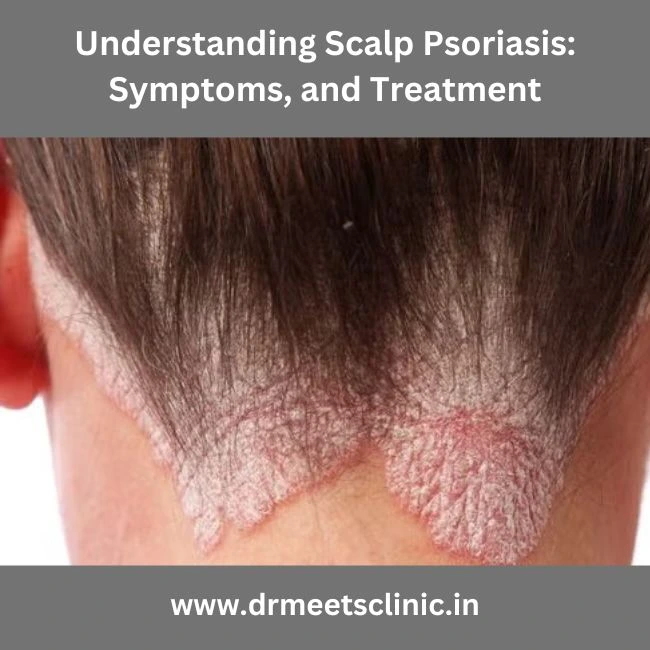
Scalp psoriasis is a form of psoriasis, a chronic autoimmune skin condition that accelerates the life cycle of skin cells, causing them to build up rapidly on the surface of the skin. When this process occurs on the scalp, it results in the formation of thick, silvery-white scales and red patches, often accompanied by itching and discomfort. Unlike dandruff, which is a common scalp issue, scalp psoriasis involves inflamed, scaly patches that can extend beyond the hairline and affect the neck, forehead, and behind the ears.
Causes and Risk Factors of Scalp Psoriasis
Although the exact cause of scalp psoriasis remains unknown, it is believed to be related to an overactive immune system that mistakenly attacks healthy skin cells. Scalp psoriasis can be brought on by or made worse by a number of circumstances, such as:
- Genetics: Family history plays a significant role. If psoriasis runs in your family, you are more likely to develop scalp psoriasis.
- Stress: Psoriasis flare-ups can be brought on by or made worse by emotional stress.
- Infections: Certain infections, such as strep throat, have been linked to psoriasis outbreaks.
- Skin Injuries: Cuts, sunburns, or other skin injuries can trigger psoriasis in the affected area.
- Weather Conditions: Cold, dry weather tends to worsen symptoms, while humid climates may alleviate them.
- Medications: Certain drugs, including beta-blockers and lithium, may trigger or worsen psoriasis.
Recognizing the Symptoms of Scalp Psoriasis
The symptoms of scalp psoriasis can vary from person to person but generally include:
- Thick, silvery-white scales on the scalp
- Red patches of skin underneath the scales
- Itching and soreness
- Burning sensation or discomfort
- Hair loss in severe cases, due to scratching or inflammation
- Flaking that resembles dandruff but is more persistent and resistant to regular dandruff shampoos
It’s important to differentiate scalp psoriasis from other scalp conditions like seborrheic dermatitis or dandruff. Effective treatment requires a dermatologist’s accurate diagnosis.
Diagnosing Scalp Psoriasis at Dr. Meet’s Clinic
At Dr. Meet’s Clinic, our dermatologists are experienced in diagnosing scalp psoriasis accurately. The diagnosis typically involves a thorough medical history review, physical examination of the scalp, and sometimes a skin biopsy to confirm the condition. Effective symptom management and the avoidance of sequelae depend on early diagnosis.
Treatment Options for Scalp Psoriasis
While there is no cure for scalp psoriasis, various treatments can significantly reduce symptoms and improve quality of life. At Dr. Meet’s Clinic, we tailor treatment plans based on the severity of your condition, skin type, and personal preferences. Common treatment options include:
1. Topical Treatments
- Medicated Shampoos: Shampoos containing coal tar, salicylic acid, or anthralin can help reduce scaling and inflammation.
- Corticosteroid Gels and Foams: These help diminish inflammation and itching. They are often used for localized patches.
- Vitamin D Analogues: Calcipotriol and calcitriol can slow down skin cell growth.
- Coal Tar Preparations: Reduce scaling, itching, and inflammation.
2. Phototherapy
For more severe cases, phototherapy (light therapy) involves controlled exposure to ultraviolet (UV) light, which can help slow down skin cell production and reduce inflammation. Under medical supervision, our clinic provides specialized light therapy sessions.
3. Systemic Medications
In resistant or widespread cases, systemic treatments may be prescribed, including:
- Oral or injectable biologics: Target specific parts of the immune system involved in psoriasis.
- Immunosuppressants: Such as methotrexate or cyclosporine, used cautiously under medical supervision.
4. Lifestyle and Home Remedies
- Regular use of medicated shampoos
- Moisturizing scalp regularly
- Managing stress through relaxation techniques
- Steer clear of irritants like harsh hair products or severe weather
Why Choose Dr. Meet’s Clinic?
At Dr. Meet’s Clinic, we understand the emotional and physical toll scalp psoriasis can take. Our approach combines the latest dermatological advancements with compassionate care. We place a strong emphasis on patient education to make sure you are aware of your illness and available treatments. Our dermatologists work closely with you to develop a personalized plan that fits your lifestyle and addresses your specific needs.
Living with Scalp Psoriasis: Tips for Managing the Condition
Living with scalp psoriasis requires ongoing management. Here are some useful pointers from our experts:
- Maintain scalp hygiene: Use gentle, medicated shampoos regularly.
- Avoid scratching: It can worsen inflammation and cause infections.
- Stay hydrated and eat a balanced diet: Nutritional support can improve skin health.
- Manage stress: Practice yoga, meditation, or other relaxation techniques.
- Follow your treatment plan diligently: Consistency is key to controlling symptoms.
When to See a Dermatologist
If you notice persistent scalp scales, redness, or discomfort that does not improve with over-the-counter remedies, it is crucial to consult a dermatologist. Your general quality of life can be enhanced and complications can be avoided with early management.
Conclusion
Scalp psoriasis may be a chronic condition, but with the right diagnosis and treatment, it can be effectively managed. At Dr. Meet’s Clinic, we are committed to helping patients achieve healthier scalp skin and renewed confidence. If you suspect you have scalp psoriasis or are struggling with persistent scalp issues, contact us today for a consultation. Our expert dermatologists are here to guide you every step of the way towards clearer, healthier skin.