




Confidence and general well-being are frequently linked to healthy, glowing skin. However, factors such as sun exposure, pollution, aging, acne, and lifestyle habits can affect skin texture and appearance over time. Many people struggle with concerns like pigmentation, acne scars, uneven skin tone, fine lines, and dull skin. Fortunately, modern dermatology offers several effective solutions, and one of the most popular among them is Chemical Peel Treatment.
Chemical peels have become a widely recommended skin rejuvenation procedure because they can improve multiple skin concerns with minimal downtime. Whether you are looking to brighten your complexion, reduce acne scars, or achieve smoother skin, chemical peel treatment may be an excellent option.
In this blog, we will explore what chemical peel treatment is, how it works, its benefits, and how it can transform your skin.
What Is Chemical Peel Treatment?
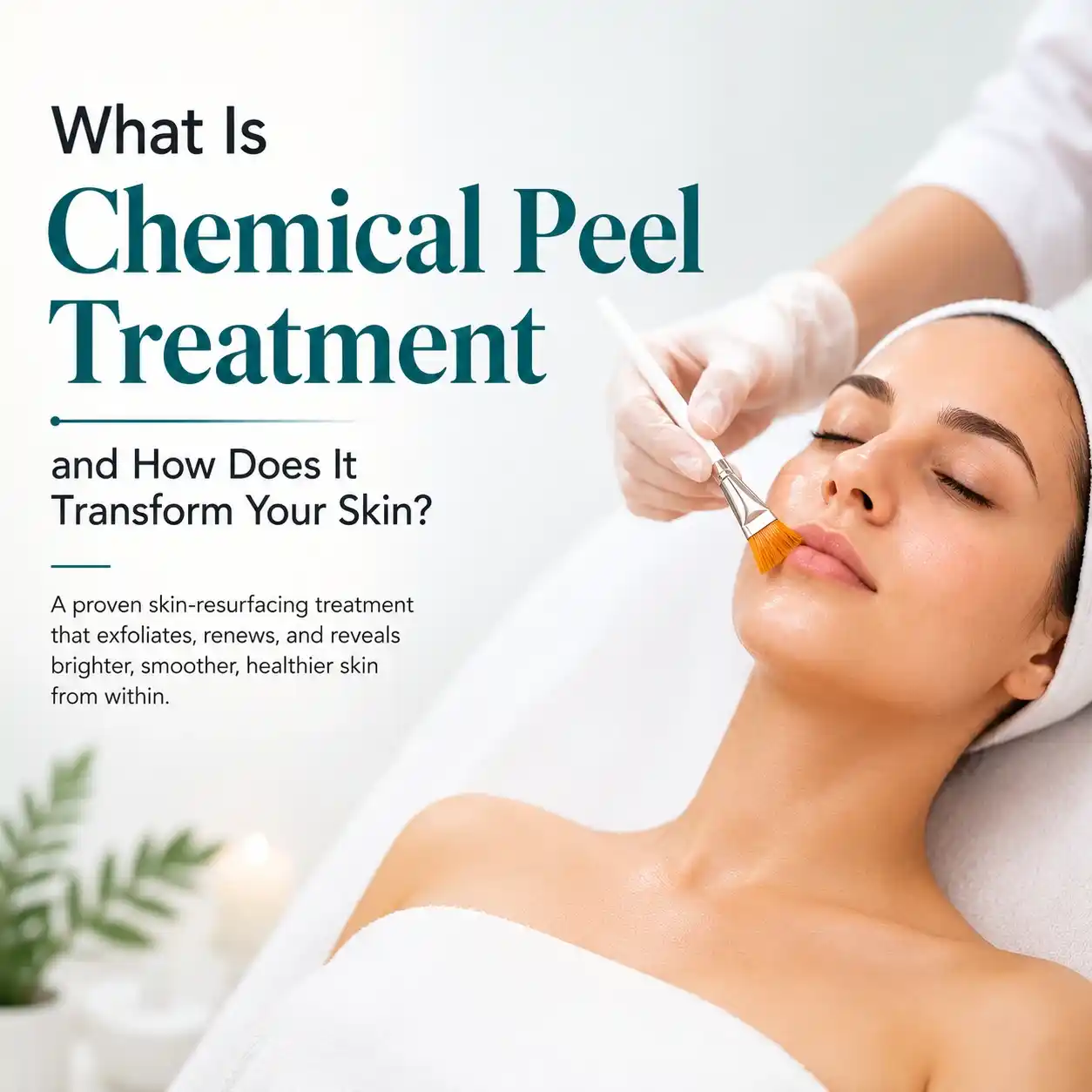
Chemical Peel Treatment is a cosmetic skin procedure that uses specially formulated chemical solutions to exfoliate and remove damaged outer layers of skin. This process stimulates the growth of new, healthier skin cells, resulting in a smoother, clearer, and more youthful appearance.
The treatment is performed by dermatologists or trained skincare professionals and can be customized based on your skin type and specific concerns.
Chemical peels vary in strength and depth, ranging from mild surface peels to deeper peels that target more significant skin issues.
How Does Chemical Peel Treatment Work?
The treatment involves applying a chemical solution to the skin for a specific period.By dissolving the connections between dead skin cells, the remedy facilitates their easier shedding.
As the old skin peels away, the body naturally produces new skin cells and collagen, revealing fresher and healthier skin underneath.
This process helps improve skin texture, tone, and overall appearance while encouraging skin renewal.
Types of Chemical Peel Treatment
Different types of chemical peels are available depending on the severity of the skin concern and the desired results.
1. Superficial Peel
This is the mildest form of chemical peel treatment and targets only the outermost layer of the skin.
It is commonly used for:
- Mild pigmentation
- Dull skin
- Minor acne
- Uneven skin tone
Recovery time is usually minimal, making it suitable for regular maintenance treatments.
2. Medium Peel
A medium-depth peel penetrates deeper into the skin and is often used for:
- Acne scars
- Moderate pigmentation
- Fine lines
- Sun damage
Some peeling and redness may occur during the recovery period.
3. Deep Peel
Deep chemical peels reach the lower layers of the skin and are typically recommended for more severe skin concerns.
They may help improve:
- Deep wrinkles
- Severe sun damage
- Pronounced scars
- Significant pigmentation issues
Deep peels generally require a longer recovery period and should only be performed by experienced professionals.
Skin Concerns Treated with Chemical Peel Treatment
The adaptability of Chemical Peel Treatment is one factor contributing to its popularity. It can address a wide range of skin concerns, including:
Acne and Acne Scars
Chemical peels can clear clogged pores, lessen irritation, and make acne scars look better.
Hyperpigmentation
Dark spots, melasma, and uneven skin tone can often be improved through targeted peeling treatments.
Fine Lines and Wrinkles
The treatment promotes collagen production, helping reduce signs of aging and improving skin firmness.
Sun Damage
Years of sun exposure can cause discoloration and rough skin texture. Chemical peels help reveal fresher skin underneath.
Enlarged Pores
Regular treatments can improve skin texture and make pores appear less noticeable.
Dull and Tired Skin
By removing dead skin cells, chemical peels restore brightness and give the skin a healthy glow.
Benefits of Chemical Peel Treatment
Improves Skin Texture
Smoother skin is one of the most obvious advantages. The exfoliation process removes rough and damaged skin cells, leaving the skin softer and more refined.
Enhances Skin Tone
Chemical peels help reduce pigmentation and discoloration, resulting in a more even complexion.
Boosts Collagen Production
Collagen is essential for maintaining firm and youthful skin. Chemical peel treatment stimulates collagen synthesis, which helps improve skin elasticity.
Reduces Acne Breakouts
Many peels contain ingredients that help control excess oil production and prevent clogged pores.
Minimizes Fine Lines
Regular treatments can reduce the appearance of early aging signs and improve skin smoothness.
Provides a Brighter Complexion
Many patients notice a radiant glow and improved skin clarity after treatment.
What to Expect During the Procedure
A typical Chemical Peel Treatment session begins with cleansing the skin thoroughly.
The chemical solution is then applied to the treatment area and left on for a predetermined amount of time. Patients may experience mild tingling or warmth during the procedure.
After the solution is removed or neutralized, soothing products may be applied to calm the skin.
The entire procedure generally takes between 30 and 60 minutes, depending on the type of peel.
Recovery and Aftercare
Recovery varies according to the strength of the peel.
After a Superficial Peel
You may experience:
- Mild redness
- Slight dryness
- Minimal flaking
Most people can return to normal activities immediately.
After a Medium Peel
You may notice:
- Moderate peeling
- Redness
- Temporary sensitivity
Recovery typically takes several days.
After a Deep Peel
Recovery may take a few weeks and requires careful aftercare.
Important Aftercare Tips
- Use sunscreen daily
- Avoid direct sun exposure
- Keep the skin moisturized
- Do not pick peeling skin
- Follow your dermatologist’s instructions
Proper aftercare is essential for achieving the best results from chemical peel treatment.
Who Is a Good Candidate for Chemical Peel Treatment?
Most healthy adults with concerns such as pigmentation, acne scars, fine lines, or dull skin can benefit from chemical peels.
You may be a suitable candidate if you:
- Have realistic expectations
- Want smoother skin
- Have mild to moderate skin imperfections
- Are committed to proper skincare after treatment
A consultation with a dermatologist helps determine the most appropriate peel for your skin type.
How Many Sessions Are Needed?
The number of sessions depends on the skin concern being treated.
Mild concerns may improve after one or two sessions, while acne scars, pigmentation, and deeper skin issues may require multiple treatments for optimal results.
Many patients undergo periodic maintenance treatments to keep their skin looking healthy and refreshed.
Final Thoughts
Chemical Peel Treatment is one of the most effective non-surgical procedures for improving skin texture, tone, and overall appearance. By removing damaged skin cells and stimulating new cell growth, chemical peels can address a variety of concerns including acne scars, pigmentation, fine lines, and dull skin.
Whether you are looking to refresh your complexion or achieve more significant skin rejuvenation, chemical peel treatment offers a safe and customizable solution when performed by qualified professionals.
With proper treatment planning and aftercare, chemical peels can help transform your skin and restore a brighter, healthier, and more youthful appearance.
FAQs
1. What is Chemical Peel Treatment used for?
Chemical Peel Treatment is used to improve skin texture, reduce acne scars, treat pigmentation, minimize fine lines, and enhance overall skin appearance.
2. Is Chemical Peel Treatment painful?
Most patients experience only mild tingling or warmth during the procedure. Discomfort is usually minimal and temporary.
3. How long does it take to see results from Chemical Peel Treatment?
Many people notice brighter and smoother skin within a few days, while deeper improvements may become visible over several weeks.
4. Can Chemical Peel Treatment help with acne scars?
Yes. Chemical Peel Treatment is commonly used to improve the appearance of acne scars and promote smoother skin texture.
5. How often should I get Chemical Peel Treatment?
The frequency depends on your skin type and treatment goals. Your dermatologist can recommend a schedule that is best suited to your needs.