




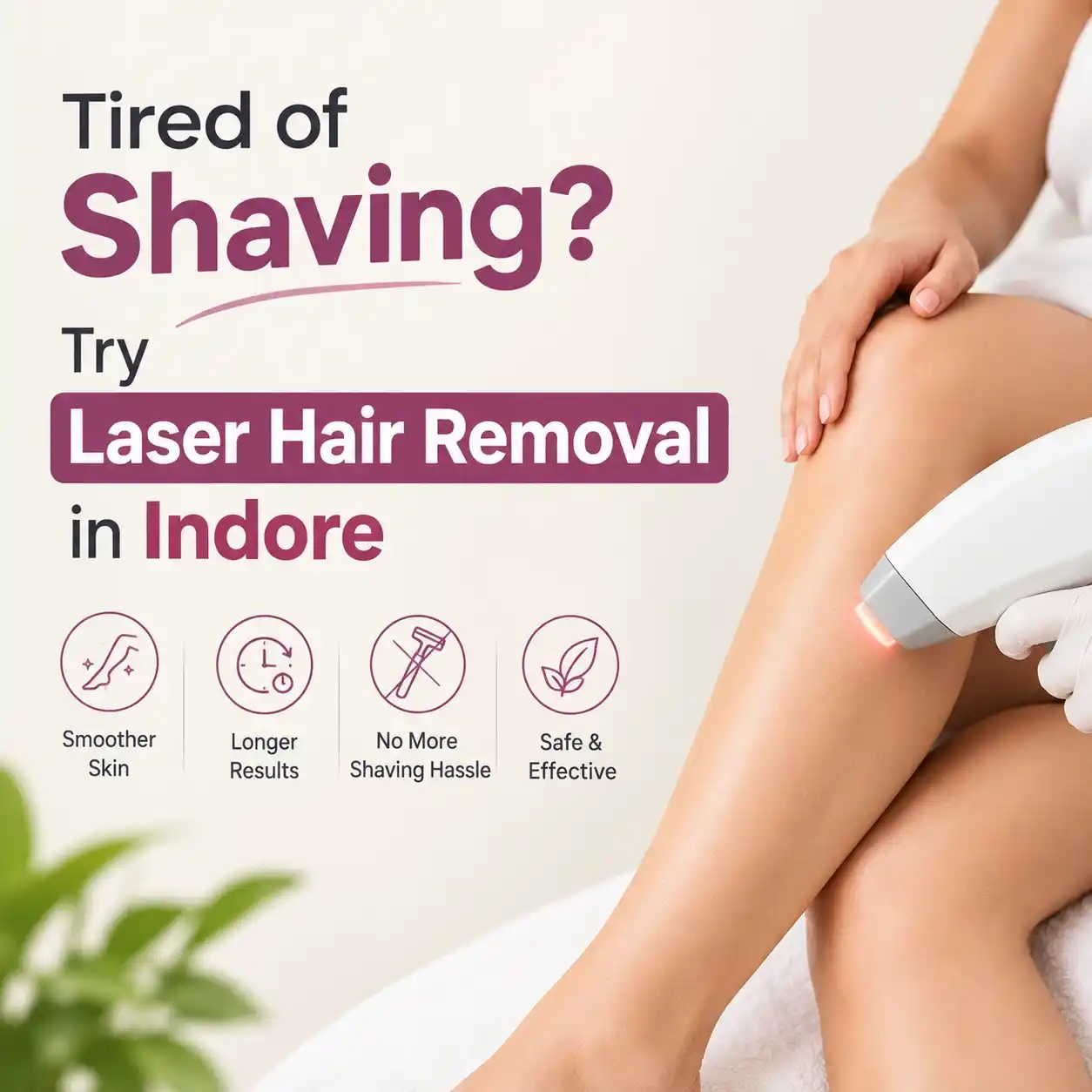
Shaving can be a regular part of personal grooming, but keeping up with unwanted hair can become time-consuming. Frequent shaving may also leave behind stubble, razor bumps, cuts, or temporary skin irritation. If you are looking for a longer-term approach to managing unwanted hair, Laser Hair Removal in Indore may be an option worth exploring.
Laser hair removal uses concentrated light energy to target hair follicles. With a series of treatments, it can provide long-term reduction in hair growth. However, results vary from person to person, and multiple sessions are generally needed.
Before choosing treatment, it is useful to understand how laser hair removal works, what to expect, and which factors can influence the results.
What Is Laser Hair Removal?
Laser hair removal is an aesthetic procedure that uses laser energy to target pigment in hair follicles. The absorbed energy generates heat, which can affect the follicle and reduce its ability to produce hair.
Unlike shaving, which cuts hair at the surface of the skin, laser treatment works at the follicle level. This is why it can provide a longer-lasting reduction in hair growth compared with temporary hair-removal methods.
Laser hair removal can be performed on several areas of the body, depending on the individual’s needs and suitability for treatment.
Common treatment areas include:
- Face
- Upper lip and chin
- Underarms
- Arms
- Legs
- Back
- Chest
- Bikini or other selected body areas
A professional consultation is important before treatment to determine whether laser hair removal is appropriate for your skin and hair type.
Why Are People Moving Beyond Shaving?
Shaving is quick and convenient, but its results are temporary. Hair grows back because the follicle remains intact.
People may consider Laser Hair Removal in Indore because they want to reduce the frequency of shaving and manage unwanted hair over the longer term.
Some common concerns associated with frequent shaving include:
Frequent Maintenance
Shaving needs to be repeated regularly as hair grows back.
Razor Bumps
Some people develop small bumps or irritation after shaving, particularly in sensitive areas.
Cuts and Nicks
Using a razor incorrectly or shaving quickly can cause minor cuts.
Visible Stubble
Because shaving cuts hair at the skin’s surface, stubble can become visible relatively soon after shaving.
Laser hair removal approaches unwanted hair differently by targeting the follicle rather than simply cutting the visible hair.
How Does Laser Hair Removal Work?
Before treatment, the area is assessed to determine the appropriate approach. Factors such as skin tone, hair color, hair thickness, and treatment area can influence laser selection and settings.
During the procedure, a laser device delivers controlled pulses of energy to the selected area. The energy is absorbed primarily by pigment associated with the hair follicle.
You may feel warmth, tingling, or a snapping sensation during treatment. The experience can vary depending on the treatment area and individual sensitivity.
After the session, temporary redness or mild swelling around the follicles can occur. Your specialist can provide specific aftercare instructions based on your skin and treatment.
How Many Sessions Are Needed?
Laser hair removal generally requires multiple sessions rather than a single treatment.
This is because hair grows through different phases, and laser treatment is most effective when targeted hairs are in an appropriate growth phase. Since not every follicle is in the same phase at the same time, treatments are typically scheduled at intervals.
The number of sessions varies according to:
- Hair thickness
- Hair color
- Skin type
- Treatment area
- Hormonal factors
- Individual response to treatment
Some people may notice a reduction in hair growth after initial sessions, while others may require additional treatments.
A consultation can provide a more individualized treatment plan.
What Results Can You Expect?
It is important to understand that laser hair removal is generally described as long-term hair reduction, rather than a guaranteed permanent removal of every hair.
Many people experience a reduction in hair growth after completing a series of treatments. Any remaining hair may become finer or less noticeable, although results vary.
Hormonal changes can also influence hair growth. Some individuals may require maintenance sessions over time.
Your specialist should discuss realistic expectations before treatment rather than promising a specific result.
Is Laser Hair Removal Suitable for All Skin Types?
Modern laser technology can be used for a range of skin types, but the choice of device and settings matters.
Skin tone, hair color, hair thickness, and recent sun exposure can all affect treatment planning. Darker or recently tanned skin may require particular precautions to reduce the risk of unwanted pigmentation or other reactions.
A professional assessment helps determine the appropriate treatment approach for your individual skin and hair characteristics.
What About Facial Hair?
Laser hair removal is commonly considered for areas such as the upper lip, chin, jawline, and sideburn region.
However, facial hair can be influenced by hormonal factors, so results may vary. In some cases, underlying hormonal issues may contribute to persistent or excessive facial hair.
If facial hair growth is sudden, unusually heavy, or accompanied by other symptoms, it is important to discuss these concerns with a qualified healthcare professional.
Preparing for Laser Hair Removal
Good preparation can help support a smoother treatment experience.
Before your appointment, your specialist may recommend:
- Avoiding unnecessary sun exposure.
- Following instructions about shaving before treatment.
- Avoiding waxing or plucking for a specified period before sessions.
- Informing the specialist about medications and skincare products.
- Avoiding products that may irritate the treatment area.
- Discussing any existing skin conditions.
Do not assume that the same preparation routine applies to every person. Follow the instructions provided by your treatment professional.
Laser Hair Removal Aftercare
After Laser Hair Removal in Indore, the treated area may temporarily appear slightly red or feel sensitive.
Your specialist may recommend:
- Keeping the area gently cleansed.
- Avoiding unnecessary friction.
- Protecting treated skin from excessive sun exposure.
- Using recommended skincare products.
- Avoiding activities that may irritate the area for the period advised by your specialist.
Do not scratch or aggressively exfoliate the treated area while the skin is recovering.
Why Professional Treatment Matters
Laser hair removal involves more than simply using a laser device. Selecting appropriate equipment and settings according to the individual’s skin and hair characteristics is important.
Poorly selected settings or inappropriate treatment can increase the risk of burns, pigmentation changes, irritation, or other complications.
When considering Laser Hair Removal in Indore, look for a qualified professional who can assess your skin and hair, explain the expected results, discuss potential risks, and provide appropriate aftercare guidance.
A consultation also gives you an opportunity to ask questions about the technology being used, the expected number of sessions, treatment intervals, and maintenance requirements.
Laser Hair Removal vs. Shaving
Shaving and laser hair removal serve different purposes.
Shaving provides quick, temporary hair removal and can be convenient for occasional grooming. Laser treatment, on the other hand, aims to reduce hair growth over a longer period through repeated treatments.
The right option depends on your personal preferences, hair characteristics, budget, skin condition, and expectations.
For people who are tired of frequent shaving and want to explore longer-term hair reduction, professional laser hair removal may be worth considering.
Final Thoughts
If shaving has become a repetitive part of your routine, Laser Hair Removal in Indore can offer an alternative approach to managing unwanted hair. By targeting hair follicles with controlled laser energy, treatment can help reduce hair growth over a series of sessions.
However, results are not identical for everyone. Hair color, skin tone, hormonal factors, treatment area, and individual response can all influence outcomes.
Before beginning treatment, schedule a professional consultation to determine whether laser hair removal is appropriate for you. With realistic expectations, suitable treatment planning, and proper aftercare, you can work toward smoother-looking skin with less reliance on frequent shaving.
FAQs
1. Is Laser Hair Removal in Indore permanent?
Laser hair removal is generally considered a method of long-term hair reduction rather than guaranteed permanent removal. Multiple sessions are usually required, and some people may need maintenance treatments.
2. How many laser hair removal sessions are needed?
The number varies depending on the treatment area, hair thickness, hair color, skin type, hormonal factors, and individual response. A specialist can recommend a personalized treatment schedule.
3. Is laser hair removal painful?
People may experience warmth, tingling, or a snapping sensation during treatment. The level of discomfort varies according to the treatment area, device, and individual sensitivity.
4. Can laser hair removal be used on the face?
Yes, laser hair removal may be used on selected facial areas such as the upper lip, chin, and sideburns. Facial hair can be influenced by hormones, so an individual assessment is important.
5. Can I shave between laser hair removal sessions?
In many treatment plans, shaving may be permitted between sessions, while waxing and plucking are generally avoided because they remove the hair from the follicle. Follow the specific instructions provided by your treatment professional.