




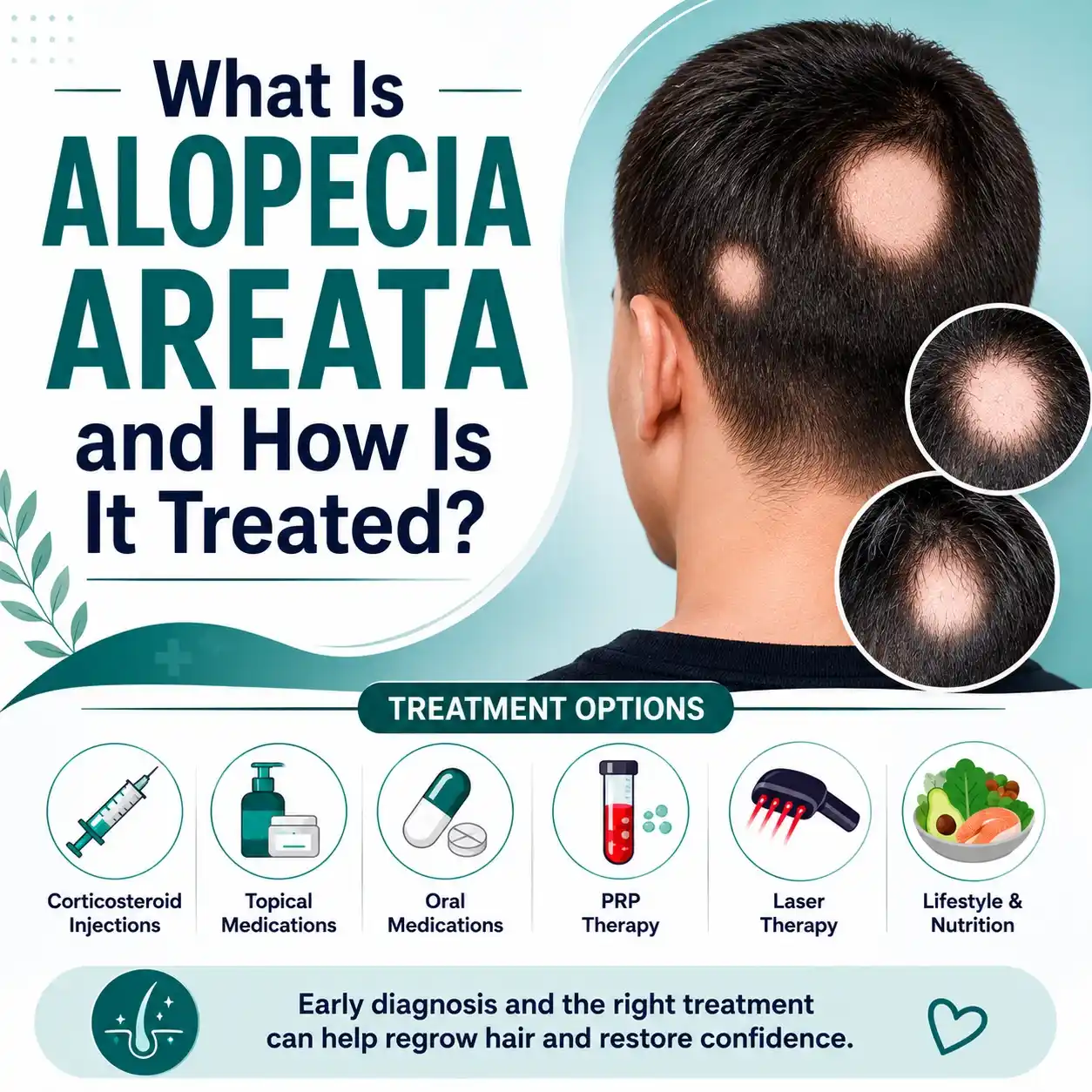
Hair loss can affect confidence and emotional well-being, especially when it happens suddenly. One common condition responsible for unexpected hair loss is Alopecia Areata. Many people experience small bald patches on the scalp or body without understanding the reason behind it. Fortunately, with proper diagnosis and treatment, this condition can often be managed effectively.
In this blog, we will understand what Alopecia Areata is, its causes, symptoms, and the best treatment options available today.
What Is Alopecia Areata?
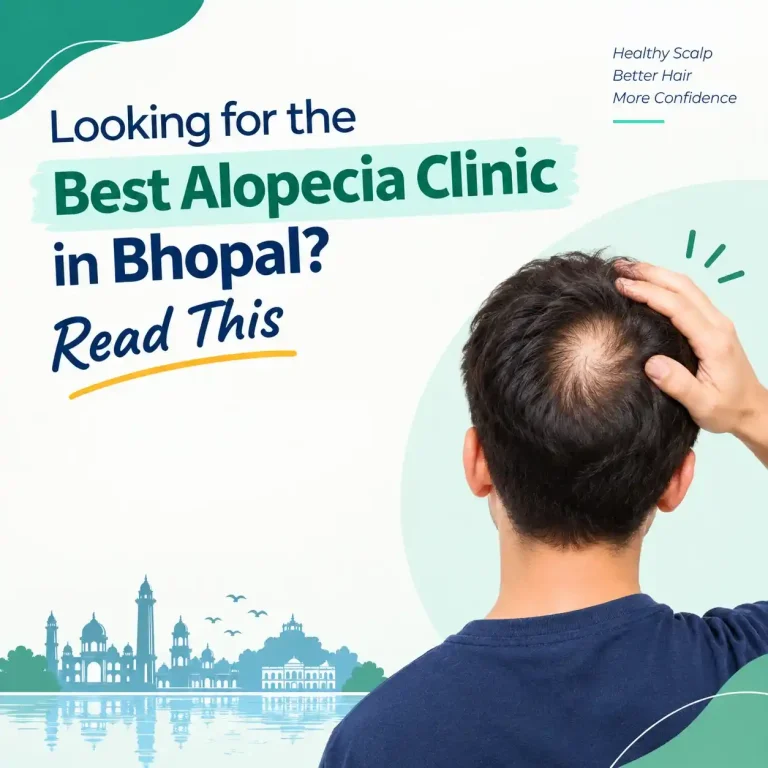
An autoimmune disease called alopecia areata results in regions of hair loss. In this condition, the immune system mistakenly attacks healthy hair follicles, leading to sudden hair fall. The hair loss usually appears in small round patches on the scalp, but it can also affect the beard, eyebrows, eyelashes, and other body parts.
The condition can affect people of all ages, including children and adults. While some people may experience only mild patchy hair loss, others may face more extensive hair loss over time.
Types of Alopecia Areata
There are different forms of Alopecia Areata, depending on the severity and area affected:
1. Patchy Alopecia Areata
This is the most common type. Hair falls out in small circular patches on the scalp or beard area.
2. Alopecia Totalis
This condition causes complete hair loss on the scalp.
3. Alopecia Universalis
This is a rare and severe form where hair loss occurs across the entire body.
4. Diffuse Alopecia Areata
Instead of patches, this type causes sudden thinning of hair across the scalp.
What Causes Alopecia Areata?
The exact cause of Alopecia Areata is not fully understood, but researchers believe it is linked to autoimmune reactions and genetics.
Some common triggers include:
- Family history of autoimmune diseases
- Emotional stress
- Viral infections
- Hormonal changes
- Thyroid disorders
- Nutritional deficiencies
People with conditions like diabetes, thyroid disease, or vitiligo may have a higher risk of developing Alopecia Areata.
Symptoms of Alopecia Areata
The symptoms can vary from person to person. Common signs include:
- Sudden round or oval bald patches
- Smooth hairless areas on the scalp
- Hair fall while combing or washing
- Tingling or itching before hair loss
- Thinning of eyebrows or beard hair
- Nail changes such as ridges or dents
In some cases, hair may regrow naturally and fall out again later.
How Is Alopecia Areata Diagnosed?
A dermatologist or hair specialist usually diagnoses Alopecia Areata through a physical examination of the scalp and hair loss pattern.
In certain cases, additional tests may be recommended, such as:
- Blood tests to detect autoimmune conditions
- Scalp biopsy
- Hair pull test
- Thyroid function test
Early diagnosis is important because timely treatment can improve the chances of hair regrowth.
Best Treatments for Alopecia Areata
The treatment for Alopecia Areata depends on the severity of hair loss, age, and overall health condition. Here are some commonly recommended treatment options:
1. Corticosteroid Injections
Steroid injections are one of the most effective treatments for patchy Alopecia Areata. These injections reduce inflammation around the hair follicles and help stimulate hair regrowth.
Usually, results show up in a few weeks.
2. Topical Medications
Doctors may prescribe creams, lotions, or ointments containing corticosteroids or minoxidil to encourage hair growth.
These treatments are commonly used for mild to moderate cases.
3. Oral Medications
In severe cases, oral medications may be recommended to control the immune system’s response. These medicines should only be taken under medical supervision.
4. PRP Therapy
Platelet-Rich Plasma (PRP) therapy has become a popular treatment for Alopecia Areata. In order to stimulate hair follicles and enhance hair growth, growth factors derived from the patient’s own blood are injected into the scalp.
5. Low-Level Laser Therapy
Laser therapy helps improve blood circulation in the scalp and may support hair regrowth in some patients.
6. Immunotherapy
Topical immunotherapy is used for extensive hair loss cases. It works by creating a mild allergic reaction that encourages hair follicles to regrow hair.
7. Lifestyle and Nutritional Support
A healthy lifestyle can support overall hair health. Doctors may recommend:
- Protein-rich diet
- Iron and vitamin supplements
- Stress management techniques
- Adequate sleep
- Regular scalp care
Lifestyle modifications can enhance treatment results even though they might not be able to cure Alopecia Areata on their own.
Can Hair Grow Back After Alopecia Areata?
Yes, many people experience hair regrowth after treatment. In mild cases, hair may even regrow naturally without medical intervention. However, the condition can be unpredictable, and hair loss may return later.
The success of treatment depends on factors like:
- Severity of hair loss
- Duration of the condition
- Age of the patient
- Overall health condition
Seeking treatment early often improves the chances of successful hair regrowth.
Emotional Impact of Alopecia Areata
Confidence and mental health can be significantly impacted by hair loss. Many individuals with Alopecia Areata experience stress, anxiety, or low self-esteem.
Support from family, counseling, and proper medical guidance can help patients cope emotionally while undergoing treatment.
Tips to Manage Alopecia Areata
Here are some helpful tips for managing Alopecia Areata:
- Avoid excessive heat styling and harsh chemicals
- Use mild shampoos and scalp-friendly products
- Protect the scalp from direct sunlight
- Follow your dermatologist’s treatment plan consistently
- Reduce stress through yoga or meditation
- Maintain a balanced diet
Final Thoughts
Alopecia Areata is a common autoimmune hair loss condition that can affect anyone. Although it may feel stressful and emotionally challenging, modern treatments offer effective ways to manage the condition and stimulate hair regrowth.
From steroid therapy and PRP treatment to lifestyle improvements, several options are available depending on the severity of hair loss. Early consultation with a qualified hair specialist or dermatologist can make a significant difference in treatment success.
If you notice sudden patchy hair loss, do not ignore it. Timely diagnosis and proper care can help restore both your hair and confidence.
FAQs
1. What is Alopecia Areata?
Alopecia Areata is an autoimmune condition where the immune system attacks hair follicles, causing patchy hair loss on the scalp or body.
2. Is Alopecia Areata permanent?
No, Alopecia Areata is not always permanent. Many people experience hair regrowth with proper treatment, although recurrence is possible.
3. What is the best treatment for Alopecia Areata?
The best treatment depends on the severity of the condition. Common treatments include corticosteroid injections, PRP therapy, topical medications, and immunotherapy.
4. Can stress cause Alopecia Areata?
Stress may trigger or worsen Alopecia Areata in some individuals, especially those with a genetic predisposition to autoimmune conditions.
5. How long does it take to recover from Alopecia Areata?
Recovery time varies from person to person. Some individuals notice hair regrowth within a few months, while others may require long-term treatment.