




Scalp psoriasis is a chronic autoimmune condition that affects millions of people worldwide. It causes red, scaly patches on the scalp along with itching, irritation, and flaking that can often be mistaken for dandruff. In 2026, advances in dermatology and hair care have made Scalp Psoriasis Treatment more effective, personalized, and accessible than ever before.
This complete guide will help you understand scalp psoriasis, its causes and symptoms, and the latest treatment options available in 2026.
What Is Scalp Psoriasis?
Scalp psoriasis is a type of psoriasis that specifically affects the scalp. It occurs when the immune system triggers an overproduction of skin cells, causing them to build up rapidly on the scalp’s surface. This leads to thick, silvery scales, redness, itching, and sometimes discomfort.
The condition can range from mild dandruff-like flaking to severe plaques covering large areas of the scalp. It may occasionally spread to the neck, forehead, or behind the ears.
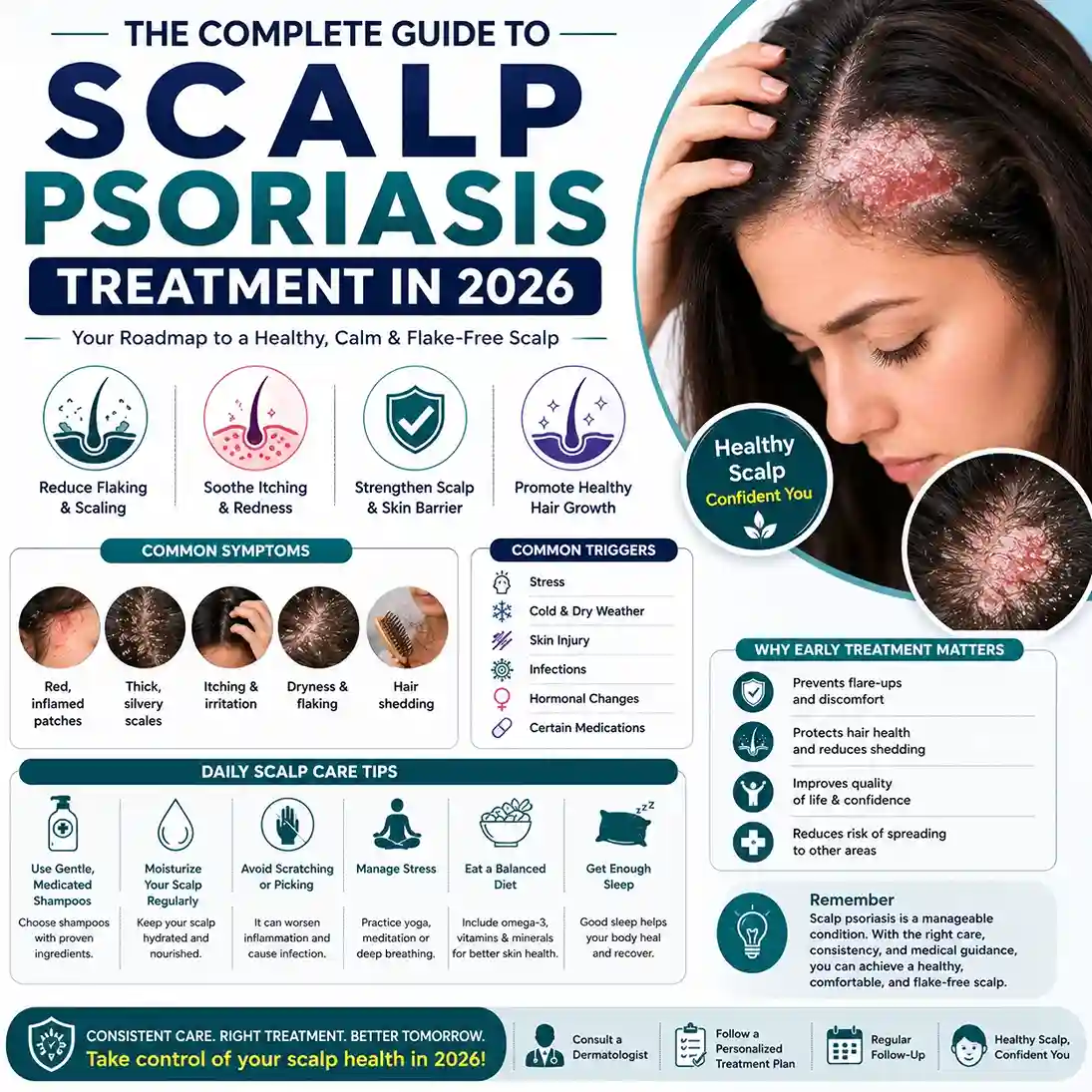
Common Symptoms of Scalp Psoriasis
The symptoms of scalp psoriasis vary from person to person, but common signs include:
-
Red or inflamed patches on the scalp
-
Thick silvery-white scales
-
Intense itching or burning sensation
-
Dry scalp and flaking
-
Temporary hair shedding due to inflammation or scratching
-
Cracked or bleeding skin in severe cases
Unlike dandruff, scalp psoriasis often causes thicker scales and more noticeable redness.
What Causes Scalp Psoriasis?
Scalp psoriasis is an autoimmune disorder, meaning the immune system mistakenly attacks healthy skin cells. While the exact cause is not fully understood, several factors can trigger or worsen the condition:
-
Genetics and family history
-
Stress and anxiety
-
Skin injuries or irritation
-
Infections
-
Hormonal changes
-
Certain medications
-
Cold or dry weather
-
Poor scalp care habits
Understanding your triggers is an important step in managing Scalp Psoriasis Treatment effectively.
How Is Scalp Psoriasis Diagnosed?
A dermatologist usually diagnoses scalp psoriasis through a physical examination of the scalp and symptoms. In some cases, a scalp biopsy may be recommended to rule out other conditions such as seborrheic dermatitis, eczema, or fungal infections.
Early diagnosis is important because proper Scalp Psoriasis Treatment can help prevent worsening symptoms and improve quality of life.
Latest Scalp Psoriasis Treatment Options in 2026
Treatment for scalp psoriasis has evolved significantly in recent years. In 2026, dermatologists use a combination of topical therapies, advanced medications, light therapy, and scalp-care innovations to manage the condition.
1. Medicated Shampoos and Topical Treatments
These are often the first line of Scalp Psoriasis Treatment for mild to moderate cases.
Common ingredients include:
-
Salicylic acid – helps remove scales and soften plaques
-
Coal tar decreases the proliferation of skin cells and lessens irritation.
-
Ketoconazole – helps control fungal overgrowth and scalp irritation
-
Topical corticosteroids – reduce redness, swelling, and itching
-
Vitamin D analogs (Calcipotriol) – help normalize skin cell production
Modern formulations in 2026 are gentler on hair and scalp while providing better absorption and results.
2. Prescription Topical Foams, Gels, and Sprays
For more persistent scalp psoriasis, dermatologists may prescribe steroid foams, gels, or sprays that are easier to apply through hair. These treatments target inflammation directly and can provide faster relief from itching and scaling.
3. Phototherapy (Light Therapy)
Light therapy remains one of the most effective treatments for moderate scalp psoriasis. Narrowband UVB therapy helps slow excessive skin cell growth and reduce inflammation.
In 2026, portable home phototherapy devices have become more advanced and convenient, allowing patients to continue Scalp Psoriasis Treatment safely at home under medical guidance.
4. Oral Medications
For severe or widespread psoriasis, oral medications may be recommended. These include:
-
Methotrexate
-
Cyclosporine
-
Acitretin
-
Newer oral immune modulators
These medications work by controlling the immune system’s overactivity and are prescribed only under specialist supervision.
5. Biologic Therapies: The Biggest Advancement in 2026
Biologics have transformed Scalp Psoriasis Treatment for patients with moderate to severe disease. These injectable medications target specific immune pathways responsible for psoriasis inflammation.
Popular biologics in 2026 include IL-17 and IL-23 inhibitors, which offer:
-
Long-lasting symptom control
-
Significant reduction in scalp plaques
-
Improved quality of life
-
Better hair and scalp comfort
Biologics are especially helpful for patients who do not respond well to topical treatments alone.
Daily Scalp Care Tips for Better Results
Medical treatment works best when combined with proper scalp care. Here are some essential tips:
-
Wash your scalp regularly
Use dermatologist-recommended shampoos and avoid harsh hair products that can irritate the scalp.
-
Do not scratch or pick scales
Scratching can worsen inflammation, cause bleeding, and lead to temporary hair loss.
-
Keep the scalp moisturized
Use lightweight, non-greasy scalp moisturizers or oils recommended by your dermatologist.
-
Avoid excessive heat styling
Frequent use of hair dryers, straighteners, and chemical treatments can aggravate scalp psoriasis.
-
Manage stress
One of the main causes of psoriasis flare-ups is stress. Practices like yoga, meditation, and regular exercise can help reduce symptoms.
-
Follow your treatment plan consistently
Consistency is key in Scalp Psoriasis Treatment. Stopping medications too early can lead to recurrence.
Can Scalp Psoriasis Cause Hair Loss?
In most cases, scalp psoriasis does not result in irreversible hair loss. However, severe inflammation, excessive scratching, and stress can lead to temporary hair shedding. The good news is that hair typically grows back once the psoriasis is controlled with proper treatment.
Early and effective Scalp Psoriasis Treatment helps protect both scalp health and hair growth.
When Should You See a Dermatologist?
You should consult a dermatologist if:
-
Scalp symptoms persist for more than a few weeks
-
Over-the-counter products do not help
-
Itching becomes severe
-
Scales spread beyond the scalp
-
You experience significant hair shedding
-
Your everyday life or confidence are impacted by the illness.
A dermatologist can create a personalized Scalp Psoriasis Treatment plan based on the severity of your condition.
Final Thoughts
Scalp psoriasis can be frustrating, but modern dermatology has made it much easier to manage in 2026. From medicated shampoos and topical therapies to advanced biologics and light therapy, there are effective solutions for every stage of the condition.
The key to successful Scalp Psoriasis Treatment is early diagnosis, consistency, and a personalized approach guided by a dermatologist. With the right treatment plan and scalp care routine, most people can achieve significant relief from itching, scaling, and discomfort while maintaining healthy hair and scalp.
FAQs
1. What is the best Scalp Psoriasis Treatment in 2026?
The best treatment depends on the severity of the condition. Mild cases may improve with medicated shampoos and topical creams, while moderate to severe cases may require phototherapy or biologic medications.
2. Can Scalp Psoriasis Treatment cure the condition permanently?
Scalp psoriasis is a chronic condition, so there is no permanent cure. However, the right Scalp Psoriasis Treatment can effectively control symptoms and reduce flare-ups.
3. How long does Scalp Psoriasis Treatment take to work?
Topical treatments may show improvement within 2–4 weeks, while biologics and other advanced therapies may take several weeks to a few months for full results.
4. Is Scalp Psoriasis Treatment safe for long-term use?
Many treatments are safe for long-term management when used under a dermatologist’s supervision. Your doctor will recommend the safest option based on your condition and medical history.
5. Can Scalp Psoriasis Treatment help with hair loss?
Yes. Effective Scalp Psoriasis Treatment reduces inflammation and scalp damage, which can help stop temporary hair shedding and support normal hair regrowth.