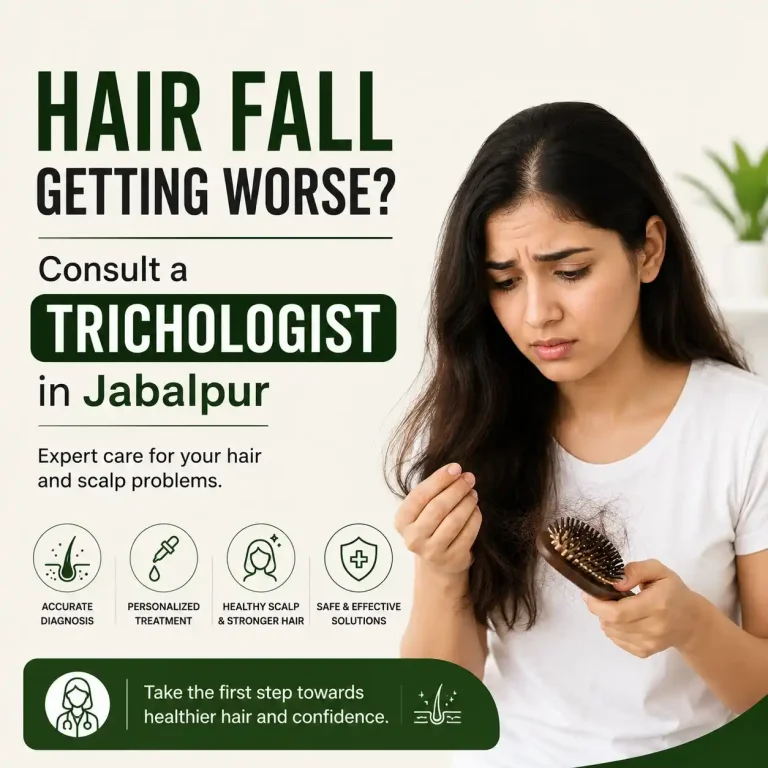





Healthy, thick hair is often seen as a symbol of confidence and good health. However, many people experience hair thinning, excessive hair fall, bald patches, or scalp problems due to factors such as genetics, stress, hormonal changes, nutritional deficiencies, pollution, and medical conditions. While over-the-counter products may provide temporary relief, they often fail to address the underlying cause of hair loss.
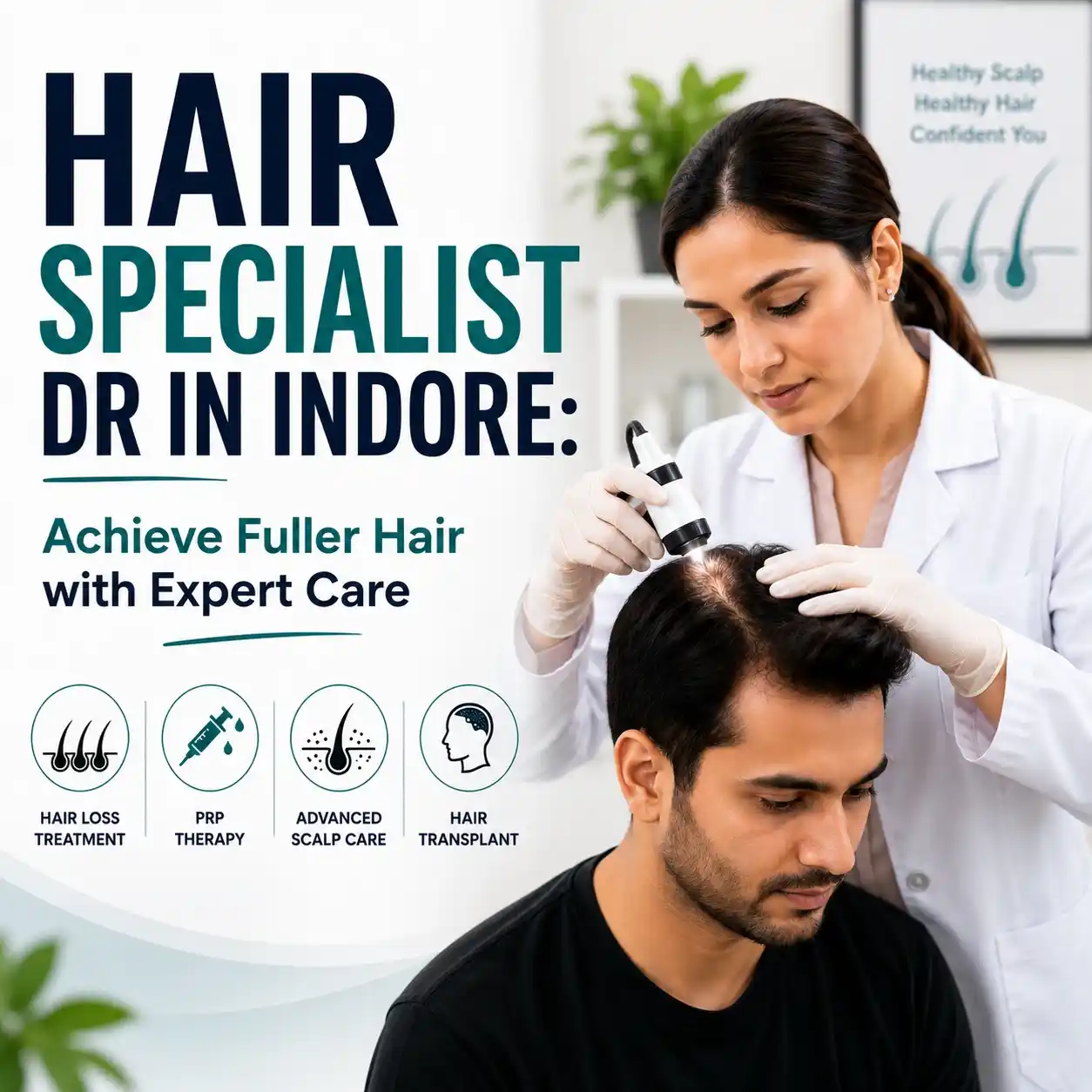
If you are facing persistent hair concerns, consulting a Hair Specialist Dr in Indore can help you receive an accurate diagnosis and a personalized treatment plan. Modern dermatology offers advanced, evidence-based solutions that promote healthier hair growth, improve scalp health, and restore confidence.
In this blog, we will discuss the benefits of visiting a hair specialist, common causes of hair loss, available treatment options, and practical tips for maintaining healthy hair.
Why Visit a Hair Specialist Dr in Indore?
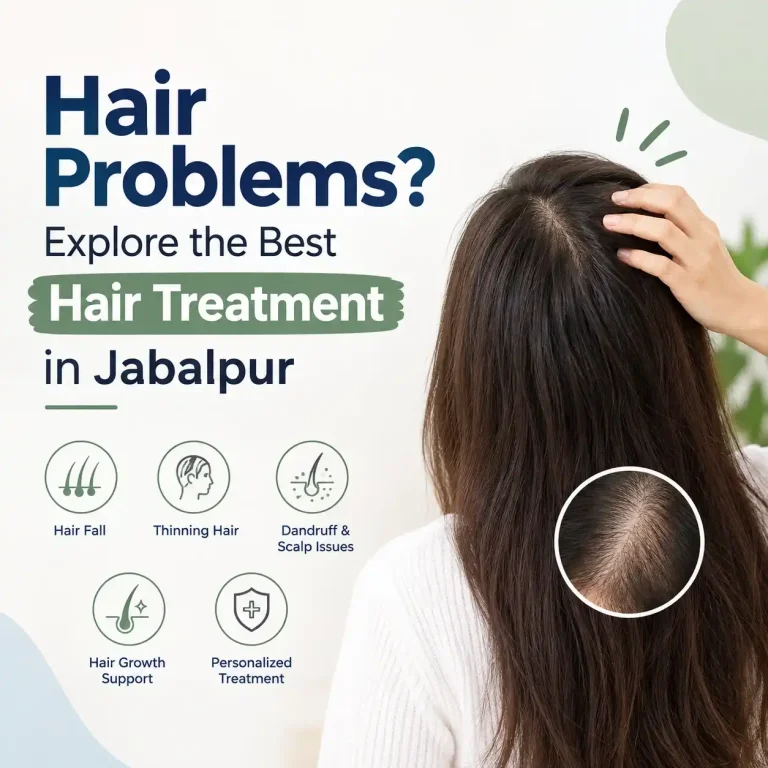
Not everyone experiences hair loss in the same way. Some people experience gradual thinning, while others develop sudden bald patches or scalp disorders. A qualified Hair Specialist Dr in Indore evaluates your hair and scalp to identify the exact cause of the problem before recommending treatment.
Unlike general hair care products that only target symptoms, a specialist focuses on treating the root cause. Early diagnosis can often prevent further hair loss and improve the chances of successful hair regrowth.
Benefits of Consulting a Hair Specialist
- Accurate diagnosis of hair and scalp conditions
- Personalized treatment plans
- Advanced hair restoration therapies
- Expert guidance on hair care and nutrition
- Long-term management of hair loss
- Improved scalp health and stronger hair growth
Common Causes of Hair Loss
Understanding why hair loss occurs is essential for selecting the right treatment.
Genetic Hair Loss
Also known as androgenetic alopecia, hereditary hair loss is one of the most common causes of thinning hair in both men and women.
Hormonal Changes
Hormonal fluctuations caused by pregnancy, menopause, thyroid disorders, or polycystic ovary syndrome (PCOS) can affect the hair growth cycle.
Nutritional Deficiencies
A lack of essential nutrients such as iron, zinc, protein, vitamin D, and biotin can weaken hair follicles and increase hair shedding.
Stress
Physical and emotional stress can lead to temporary hair loss conditions such as telogen effluvium.
Scalp Disorders
Conditions like dandruff, seborrheic dermatitis, fungal infections, and scalp psoriasis can damage hair follicles if left untreated.
Medical Conditions
Certain autoimmune diseases, medications, and chronic illnesses may also contribute to excessive hair loss.
A Hair Specialist Dr in Indore evaluates all these factors before creating an individualized treatment plan.
Signs You Should Visit a Hair Specialist
You should not ignore persistent hair problems. Early treatment often produces better results.
Consider consulting a Hair Specialist Dr in Indore if you experience:
- Excessive hair fall
- Visible hair thinning
- Receding hairline
- Bald patches
- Persistent dandruff
- Itchy or inflamed scalp
- Hair breakage
- Slow hair growth
- Family history of baldness
- Hair loss after illness or stress
Hair Conditions Commonly Treated
Hair specialists diagnose and manage a variety of conditions, including:
Male and Female Pattern Baldness
Early treatment can help slow progression and preserve existing hair.
Alopecia Areata
This autoimmune disorder causes patchy hair loss and often responds well to timely medical treatment.
Telogen Effluvium
Stress, illness, surgery, or nutritional deficiencies may trigger sudden hair shedding.
Dandruff and Seborrheic Dermatitis
Persistent dandruff and scalp irritation require professional treatment to restore scalp health.
Scalp Psoriasis
This chronic skin condition causes scaling, redness, and itching that may interfere with healthy hair growth.
How Hair Specialists Diagnose Hair Problems
Typically, a consultation with an Indore hair specialist doctor entails:
Medical History
The doctor may ask about:
- Family history of hair loss
- Lifestyle habits
- Stress levels
- Current medications
- Existing medical conditions
- Dietary habits
Scalp Examination
The scalp is carefully examined for signs of inflammation, infection, follicle damage, or excessive oil production.
Diagnostic Tests
Depending on your condition, your doctor may recommend:
- Blood tests
- Hair pull test
- Trichoscopy
- Scalp biopsy (if required)
These evaluations help determine the most appropriate treatment approach.
Advanced Hair Growth Treatments
Modern dermatology offers several effective options for restoring healthier hair.
1. Medical Therapy
Prescription medications may help reduce hair fall and stimulate hair regrowth, particularly when treatment begins early.
2. PRP Therapy (Platelet-Rich Plasma)
One of the most widely used non-surgical methods for treating hair loss is PRP therapy. It involves processing the patient’s blood to concentrate growth factors, which are then injected into the scalp.
Benefits include:
- Reduced hair fall
- Improved hair density
- Stronger hair follicles
- Natural hair regrowth
3. Mesotherapy
Mesotherapy delivers vitamins, amino acids, and nutrients directly into the scalp to nourish hair follicles and support healthier growth.
4. Low-Level Laser Therapy
Laser therapy helps improve blood circulation in the scalp, supporting healthier hair follicles and stimulating hair growth.
5. Hair Transplant Surgery
For advanced baldness, hair transplantation provides a permanent solution by relocating healthy hair follicles to thinning areas.
Modern techniques offer:
- Natural-looking results
- Minimal scarring
- Long-lasting hair restoration
- Improved hair density
Tips for Maintaining Healthy Hair
Professional treatment works best when combined with healthy daily habits.
Eat a Balanced Diet
Include foods rich in:
- Protein
- Iron
- Zinc
- Biotin
- Omega-3 fatty acids
- Vitamins A, C, D, and E
Stay Hydrated
Adequate hydration supports healthy scalp function and stronger hair.
Manage Stress
Regular exercise, meditation, and sufficient sleep can reduce stress-related hair loss.
Avoid Harsh Hair Treatments
Limit excessive heat styling, chemical treatments, and tight hairstyles that can weaken hair.
Follow Your Doctor’s Advice
Consistency is important. Follow your prescribed treatment plan and attend follow-up appointments to monitor progress.
Why Pick an Indore Hair Specialist Physician?
Indore is home to experienced hair specialists who combine advanced diagnostic tools with modern treatment technologies to deliver effective results.
Choosing a qualified Hair Specialist Dr in Indore ensures:
- Expert diagnosis
- Personalized care
- Advanced treatment options
- Safe and effective procedures
- Ongoing monitoring
- Better long-term outcomes
Whether you are experiencing early hair thinning or significant hair loss, professional guidance can make a noticeable difference.
Final Thoughts
Hair loss can affect both your appearance and self-confidence, but it is often treatable with timely medical care. A Hair Specialist Dr in Indore can identify the underlying cause of your hair concerns and recommend customized treatments that support healthier hair growth.
From PRP therapy and medical treatments to hair transplantation and scalp care, modern dermatology offers a wide range of solutions for restoring fuller, healthier hair. By combining professional treatment with healthy lifestyle habits, you can improve your scalp health, strengthen your hair, and regain confidence.
If you are noticing excessive hair fall, thinning hair, or scalp issues, don’t delay seeking expert advice. Early intervention offers the best opportunity for successful and lasting results.
Frequently Asked Questions (FAQs)
1. When should I consult a Hair Specialist Dr in Indore?
You should consult a hair specialist if you experience excessive hair fall, thinning hair, bald patches, persistent dandruff, scalp irritation, or slow hair growth.
2. What treatments does a Hair Specialist Dr in Indore provide?
Hair specialists offer treatments such as medications, PRP therapy, mesotherapy, laser therapy, scalp treatments, and hair transplant surgery, depending on the diagnosis.
3. Is PRP therapy effective for hair growth?
Yes. PRP therapy can help stimulate hair follicles, reduce hair fall, and improve hair density in suitable candidates when performed by an experienced specialist.
4. How long does it take to see results from hair treatment?
Most patients begin to notice improvement within three to six months, although results vary depending on the cause of hair loss and the treatment used.
5. Can women visit a Hair Specialist Dr in Indore?
Absolutely. Hair specialists diagnose and treat hair and scalp conditions in both men and women, offering personalized solutions for various types of hair loss and scalp disorders.