




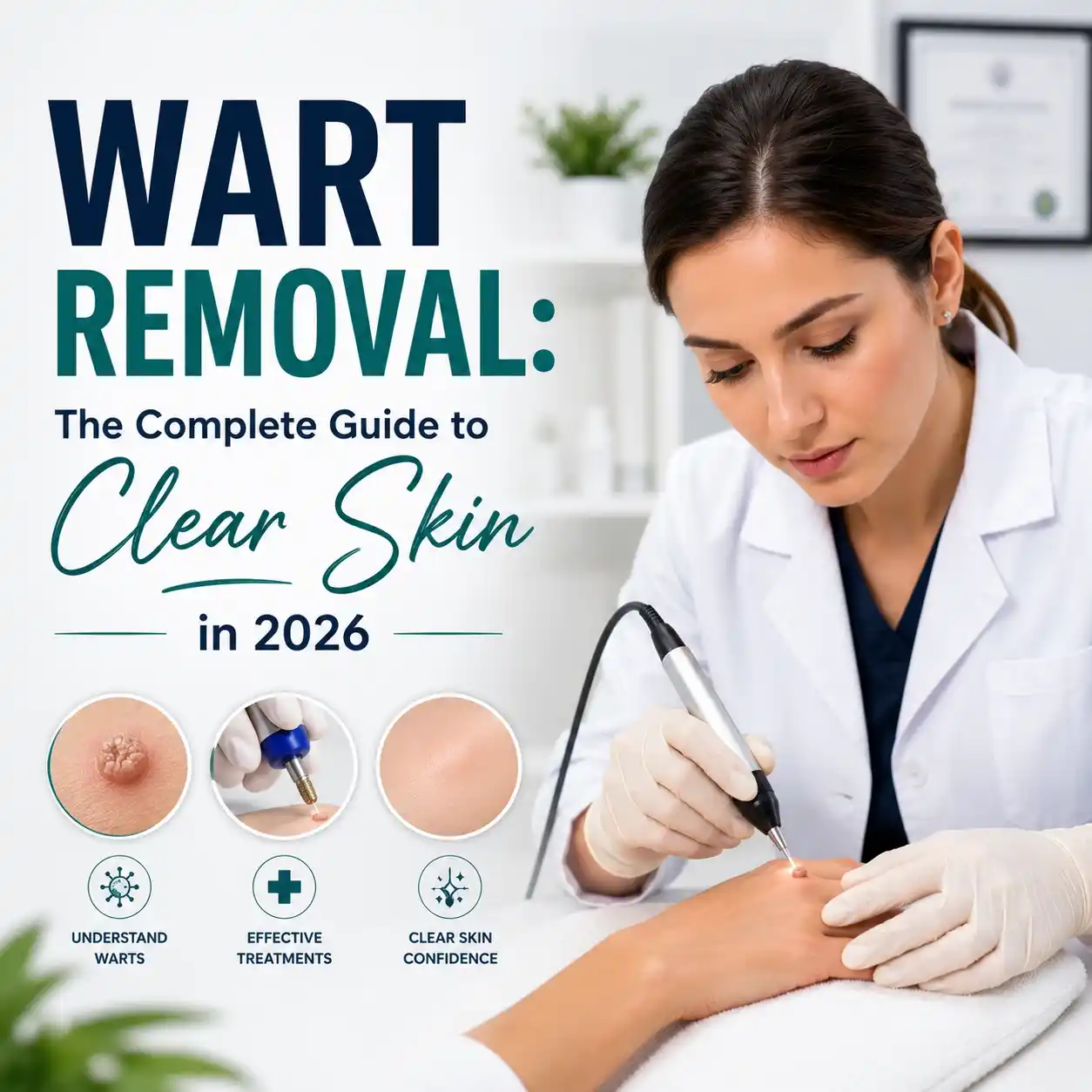
One of the most prevalent skin disorders that affect people of all ages is warts. While they are generally harmless, they can be uncomfortable, spread to other areas of the body, and affect your confidence—especially when they appear on visible areas like the face, hands, or feet. Fortunately, modern dermatology has made Wart Removal safer, faster, and more effective than ever before.
In 2026, advanced treatment options allow dermatologists to remove warts with minimal discomfort and reduced risk of recurrence. Whether you have a single wart or multiple stubborn growths, understanding the available treatment options can help you make informed decisions about your skin health.
In this complete guide, you’ll learn what causes warts, the different types of warts, the latest wart removal methods, aftercare tips, and when it’s time to visit a dermatologist.
What Are Warts?
Warts are small, rough skin growths caused by the Human Papillomavirus (HPV). The virus enters the skin through tiny cuts or abrasions and causes rapid growth of skin cells.
Although warts are non-cancerous, they are contagious and can spread through direct skin contact or by sharing personal items such as towels, razors, or footwear.
Warts may disappear naturally over time, but many people choose Wart Removal because the growths can be painful, unsightly, or persistent.
Common Types of Warts
Different types of warts appear on different parts of the body.
1. Common Warts
Common warts usually develop on the fingers, hands, and around the nails. They have a rough surface and are often grayish or skin-colored.
2. Plantar Warts
These appear on the soles of the feet and may become painful while walking because pressure pushes them inward.
3. Flat Warts
Compared to normal warts, flat warts are smoother and smaller. They often appear on the face, neck, hands, or legs.
4. Filiform Warts
These thread-like warts commonly occur around the eyes, nose, lips, and neck.
5. Periungual Warts
These develop around fingernails and toenails and may interfere with nail growth if left untreated.
What Causes Warts?
The primary cause of warts is infection with the Human Papillomavirus (HPV).
Several factors increase the risk of developing warts, including:
- Direct contact with infected skin
- Walking barefoot in public showers or swimming pools
- Sharing towels or personal grooming items
- Weakened immune system
- Nail biting or picking at the skin
- Small cuts or injuries that allow the virus to enter
Although HPV is common, not everyone exposed to the virus develops warts.
Symptoms of Warts
Depending on the type of wart, symptoms might vary, but typical indicators include:
- Small raised skin growths
- Rough or grainy texture
- Black pinpoint dots (tiny blood vessels)
- Thickened skin
- Pain while walking (plantar warts)
- Itching or mild irritation
If a wart changes color, bleeds frequently, grows rapidly, or becomes painful, consult a dermatologist for evaluation.
Why Professional Wart Removal Is Recommended
Many people attempt to remove warts using home remedies, but these methods are often ineffective for stubborn or deeply rooted warts.
Professional Wart Removal offers several benefits:
- Accurate diagnosis
- Safe removal
- Reduced risk of infection
- Lower chance of recurrence
- Faster healing
- Minimal scarring
- Suitable treatment based on wart type and location
Dermatologists also ensure that suspicious skin lesions are not mistaken for warts.
Modern Wart Removal Treatments in 2026
Advancements in dermatology have made wart removal more precise and effective.
Cryotherapy
One of the most popular therapies is cryotherapy.
Liquid nitrogen freezes the wart, destroying infected tissue. The wart gradually falls off as healthy skin replaces it.
Benefits:
- Quick procedure
- Minimal downtime
- Effective for many wart types
Laser Wart Removal
Laser treatment targets the blood vessels supplying the wart, causing it to shrink and eventually disappear.
Laser wart removal is often recommended for:
- Stubborn warts
- Recurrent warts
- Multiple warts
Advantages include:
- High precision
- Minimal damage to surrounding skin
- Faster recovery
Electrocautery
Electrocautery uses controlled electrical energy to burn and remove the wart.
This treatment is suitable for larger or resistant warts.
Radiofrequency Wart Removal
Radiofrequency technology removes warts with minimal bleeding and excellent cosmetic results.
It is especially useful for facial warts.
Prescription Medications
Dermatologists may prescribe topical medications that gradually destroy wart tissue or stimulate the immune system to fight HPV.
Minor Surgical Removal
Some stubborn warts may require surgical excision under local anesthesia.
This option is generally reserved for resistant cases.
Can Warts Come Back?
Even after successful Wart Removal, recurrence is possible because HPV can remain in nearby skin cells.
However, professional treatment combined with proper aftercare significantly reduces the chances of recurrence.
Wart Removal Aftercare
Proper aftercare is essential for optimal healing.
After treatment:
- Keep the area clean and dry.
- Avoid scratching or picking the treated skin.
- Follow your dermatologist’s instructions.
- Apply prescribed ointments if recommended.
- Avoid sharing towels or personal items.
- Protect healing skin from excessive sun exposure.
Healing time depends on the treatment method and the size of the wart.
How to Prevent Warts
Although it is not always possible to prevent HPV exposure, you can reduce your risk by following these tips:
- Wash your hands regularly.
- Avoid direct contact with existing warts.
- Wear footwear in public swimming pools and locker rooms.
- Do not share razors, towels, or nail clippers.
- Avoid picking at warts.
- Maintain good skin hygiene.
- Keep cuts and abrasions clean and covered.
- Strengthen your immune system with a healthy lifestyle.
When Should You See a Dermatologist?
Seek medical advice if:
- The wart is painful.
- It bleeds frequently.
- Home treatments have failed.
- Multiple warts develop.
- The wart changes in appearance.
- You have diabetes or a weakened immune system.
- The wart is located on the face or genital area.
Early diagnosis ensures effective treatment and helps prevent the spread of infection.
Why Choose Professional Wart Removal?
Professional dermatologists use advanced equipment and evidence-based treatment techniques to remove warts safely.
Benefits include:
- Personalized treatment plans
- Modern laser technology
- Minimal discomfort
- Lower recurrence rates
- Faster recovery
- Better cosmetic outcomes
Choosing professional Wart Removal is especially important for recurrent, painful, or cosmetically sensitive warts.
Final Thoughts
Warts may be common, but they do not have to be permanent. With today’s advanced dermatology treatments, Wart Removal has become safer, quicker, and more effective than ever before. Whether you are dealing with common warts, plantar warts, flat warts, or stubborn recurrent growths, early diagnosis and professional treatment can help restore smooth, healthy skin.
If your wart is persistent, painful, or spreading, consult a qualified dermatologist to determine the best treatment option. Timely care can prevent complications, reduce recurrence, and help you regain confidence in your skin.
FAQs
1. What is the most effective Wart Removal treatment?
The most effective Wart Removal treatment depends on the type and location of the wart. Common options include cryotherapy, laser treatment, electrocautery, radiofrequency, and prescription medications.
2. Is Wart Removal painful?
Most Wart Removal procedures involve minimal discomfort. Dermatologists often use local anesthesia or cooling techniques to make the treatment more comfortable.
3. Can warts return after Wart Removal?
Yes, warts can sometimes return because the HPV virus may remain in nearby skin cells. Following your dermatologist’s aftercare instructions can help reduce the risk of recurrence.
4. How long does it take to recover after Wart Removal?
Recovery usually takes a few days to a couple of weeks, depending on the treatment method, the size of the wart, and its location.
5. Should I remove a wart at home or visit a dermatologist?
While some over-the-counter treatments may help small warts, professional Wart Removal is recommended for stubborn, painful, facial, or recurring warts to ensure safe and effective treatment.