




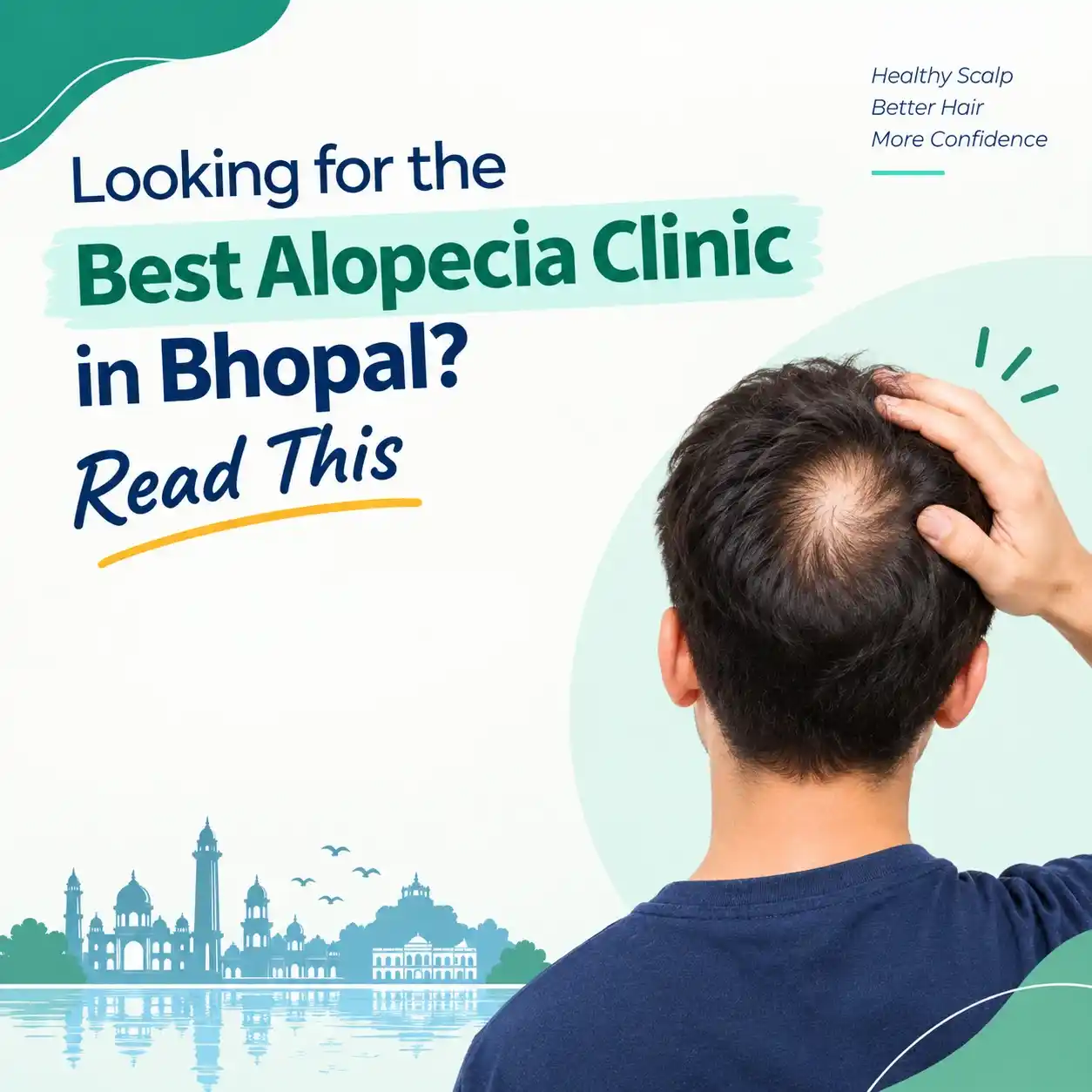
Hair loss can be a stressful experience, especially when it starts affecting your confidence and daily life. Alopecia, a condition that causes hair loss, can affect people of different ages and genders. Whether you are experiencing sudden hair fall, patchy bald spots, or gradual thinning, seeking professional guidance can help you understand the cause and explore suitable treatment options.
If you are looking for the best alopecia clinic in Bhopal, it is important to choose a clinic that offers proper diagnosis, personalized treatment plans, and ongoing care. Understanding what to look for in a hair loss specialist can help you make an informed decision about your hair health.
What Is Alopecia and Why Does It Cause Hair Loss?
Alopecia is a general term for hair loss. It can affect the scalp and, in some cases, other parts of the body. There are several types of alopecia, and each may have different causes and treatment approaches.
Some common types include:
-
Alopecia areata: An autoimmune condition that can cause round or oval patches of hair loss.
-
Androgenetic alopecia: Also known as pattern hair loss, it is influenced by genetics and hormones.
-
Telogen effluvium: A type of temporary hair shedding that may occur after stress, illness, nutritional deficiencies, or other triggers.
-
Traction alopecia: Hair loss caused by repeated pulling or tension on the hair.
Identifying the specific type of hair loss is an important first step. A qualified dermatologist can examine your scalp, review your medical history, and recommend investigations when needed.
Why Choose a Specialized Alopecia Clinic in Bhopal?
When dealing with persistent hair loss, a professional assessment can help you avoid unsuitable products and treatments. A clinic experienced in hair and scalp conditions can evaluate your symptoms and suggest a treatment plan based on the underlying cause.
Here are some reasons to consider consulting a specialized clinic:
1. Accurate Diagnosis
Hair loss can have several causes, and similar symptoms may require different treatments. A specialist can assess your scalp, hair density, pattern of hair loss, and medical history to identify possible contributing factors.
Depending on your symptoms, your doctor may recommend blood tests or other investigations to check for nutritional deficiencies, thyroid disorders, or related conditions.
2. Personalized Treatment Plans
There is no single treatment that works for every type of alopecia. Your treatment plan may depend on the diagnosis, duration of hair loss, age, general health, and individual preferences.
A dermatologist may recommend medications, topical treatments, lifestyle adjustments, or other procedures where appropriate. A personalized approach can help ensure that treatment is relevant to your particular condition.
3. Professional Scalp and Hair Assessment
A proper scalp examination can help distinguish between different types of hair loss. Some clinics may also use tools such as dermoscopy or trichoscopy to examine hair follicles and scalp conditions more closely.
This assessment can help the doctor monitor changes over time and evaluate how well a treatment plan is working.
Treatments Available for Alopecia
Treatment options vary according to the type and severity of hair loss. A reputable alopecia clinic should explain the potential benefits, limitations, costs, and risks of any recommended treatment before proceeding.
Some commonly used approaches include:
1. Topical medications
Topical treatments, such as minoxidil, may be recommended for certain types of hair loss. They can help stimulate hair growth or slow further hair thinning in suitable patients. Consistent use is often necessary, and results may take several months to become noticeable.
2. Prescription medications
Depending on the diagnosis, a dermatologist may prescribe medications to address inflammation, autoimmune activity, or hormonal factors. For example, some cases of alopecia areata may be treated with corticosteroids. Prescription treatments require medical supervision because their suitability and potential side effects vary.
3. Platelet-rich plasma (PRP) therapy
PRP therapy involves processing a sample of the patient’s blood to concentrate platelets and injecting the preparation into selected areas of the scalp. It may be considered for certain types of hair loss, although results vary and the evidence supporting its use is still developing. A doctor should explain whether it is appropriate for your condition.
4. Lifestyle and nutritional support
Hair health can be affected by nutritional deficiencies, stress, illness, and certain lifestyle factors. If your assessment identifies a deficiency or contributing health issue, your doctor may recommend appropriate dietary changes or treatment. Supplements should not be taken unnecessarily, as excessive intake of some nutrients can also cause problems.
How to Choose the Best Alopecia Clinic in Bhopal
Finding a suitable clinic involves more than looking at advertisements or online ratings. Consider these important factors before booking your appointment.
Check the Doctor’s Qualifications
Look for a qualified dermatologist with appropriate training and experience in diagnosing and treating hair and scalp disorders. You can ask about the doctor’s qualifications, professional registration, and experience managing your particular type of hair loss.
Look for Proper Diagnosis Before Treatment
A clinic should assess your condition before recommending expensive procedures or long-term treatment packages. Be cautious of anyone who promises guaranteed hair regrowth or claims that one treatment works for every patient.
Review Available Treatment Options
Ask whether the clinic offers treatments suited to your diagnosis and whether the doctor can explain alternative approaches. You should receive clear information about expected results, possible side effects, treatment duration, and follow-up requirements.
Understand the Cost of Treatment
Treatment expenses can differ significantly depending on the diagnosis, medication, procedures, and number of appointments required. Ask for a detailed estimate, including consultation fees, investigations, medicines, and any additional treatment charges.
Read Patient Reviews Carefully
Online reviews can provide insight into patients’ experiences with appointment scheduling, communication, clinic facilities, and follow-up care. However, reviews cannot guarantee that a particular treatment will work for you. Look for consistent, specific feedback rather than relying on a single testimonial.
What to Expect During Your First Consultation
Your first appointment at an alopecia clinic should focus on understanding the cause of your hair loss and identifying suitable next steps.
The dermatologist may ask questions about when the hair loss began, whether it is sudden or gradual, your family history, recent illnesses, medications, and any other symptoms. They may examine your scalp and hair, and recommend blood tests if your history or examination suggests they are necessary.
After the assessment, the doctor should discuss the diagnosis or possible causes, available treatment options, and the expected timeline for improvement. Hair regrowth is often gradual, and some forms of alopecia may require ongoing management.
It is helpful to bring a list of your current medications, any previous test results, and photographs showing how your hair loss has changed over time.
When Should You Visit an Alopecia Clinic?
You should consider consulting a dermatologist if you notice sudden or excessive hair shedding, clearly defined bald patches, progressive thinning, or changes in your scalp such as itching, redness, scaling, or pain.
Early assessment can be particularly important when hair loss is accompanied by scalp inflammation or scarring, as some conditions can cause permanent hair loss if not treated promptly.
If you are in Bhopal, choosing a clinic that offers convenient follow-up appointments can also help you monitor your progress and adjust your treatment when necessary.
Take the First Step Toward Better Hair Health
Choosing the right alopecia clinic is an important part of managing hair loss. Focus on finding a qualified dermatologist who takes time to understand your symptoms, provides an accurate assessment, and explains treatment options clearly.
If you are searching for the best alopecia clinic in Bhopal, prioritize professional expertise, transparent pricing, personalized care, and realistic expectations. With the right medical guidance, you can better understand your hair loss and take informed steps toward managing it.
FAQs
1. Which doctor should I consult for alopecia in Bhopal?
A qualified dermatologist is generally the right specialist to consult for alopecia. Dermatologists diagnose hair and scalp conditions and can recommend appropriate medical treatments based on your symptoms and diagnosis.
2. Can alopecia be treated permanently?
The possibility of long-term hair regrowth depends on the type and cause of alopecia. Some forms, such as certain cases of alopecia areata, may improve or resolve, while others require ongoing treatment. Hair loss caused by scarring may be permanent.
3. How long does alopecia treatment take to show results?
Treatment timelines vary depending on the underlying condition and the treatment used. Some patients may notice changes within a few months, while others may need longer-term management. Your dermatologist can provide a more realistic timeline after assessing your condition.
4. What is the cost of alopecia treatment in Bhopal?
The cost depends on the type of hair loss, consultation fees, investigations, prescribed medicines, and any recommended procedures. Contact your chosen clinic for an itemized estimate before beginning treatment.
5. Is PRP therapy effective for treating alopecia?
PRP therapy may help some people with certain types of hair loss, particularly pattern hair loss, but its effectiveness varies. It is not suitable for every type of alopecia, and results are not guaranteed. Consult a dermatologist to determine whether it is appropriate for your condition.