




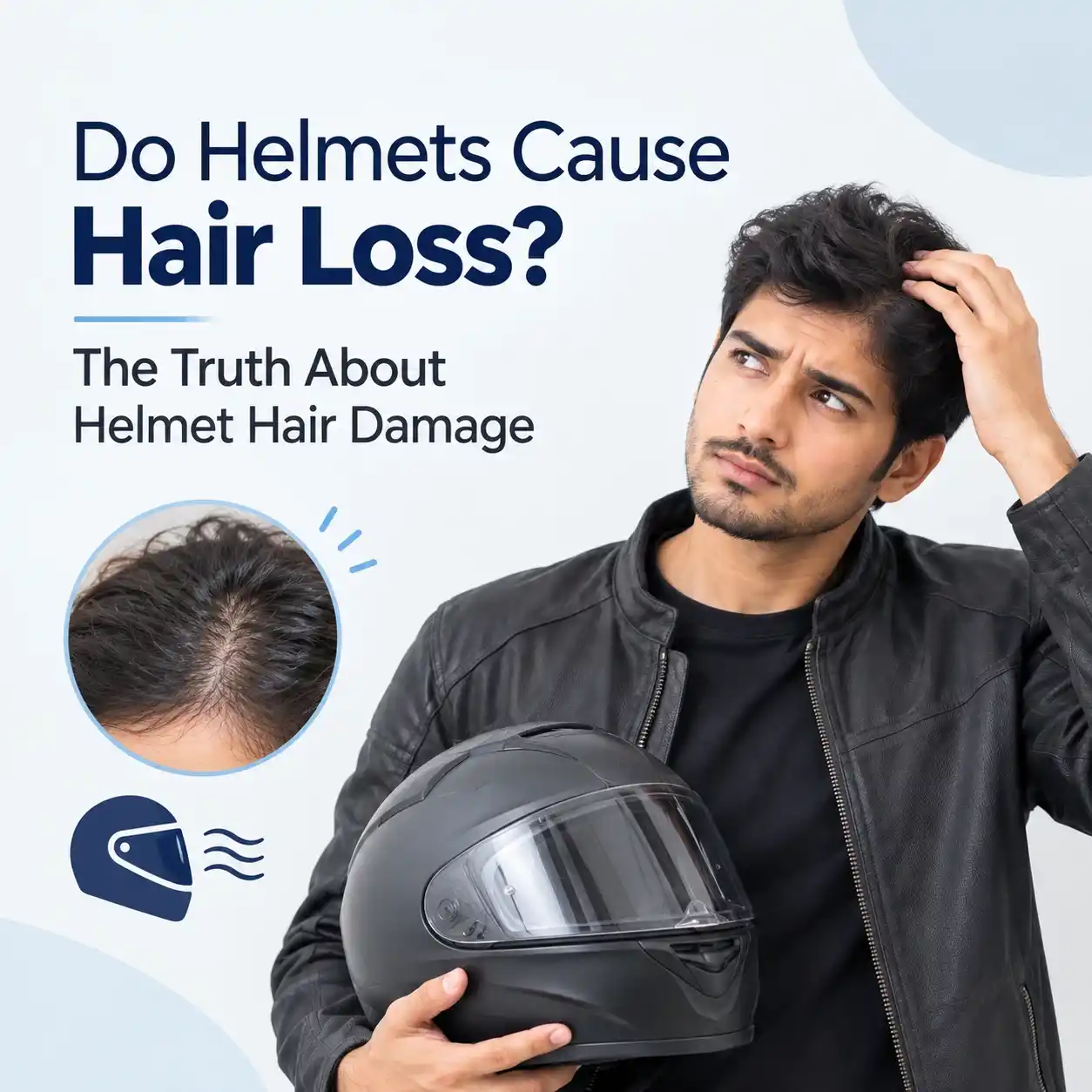
Wearing a helmet is essential for protecting your head while riding a motorcycle or scooter. However, many people worry that wearing a helmet every day can cause hair fall, thinning, or baldness. If you notice more hair shedding after removing your helmet, you may wonder whether your helmet is damaging your hair.
The good news is that wearing a helmet does not directly cause hair loss or permanent baldness when it fits properly and is used correctly. However, heat, sweat, friction, poor helmet hygiene, and certain existing scalp conditions may contribute to discomfort, irritation, or hair breakage.
Understanding the relationship between helmets and hair health can help you maintain a healthy scalp without compromising your safety on the road.
Can Wearing a Helmet Cause Hair Loss?
Helmets are designed to protect your head from serious injuries, not to damage your hair. There is no strong scientific evidence that routine helmet use directly causes permanent hair loss.
However, certain factors associated with helmet use may affect your hair and scalp.
For example, a tight helmet may create friction against your hair, while prolonged use in hot weather can increase sweating. If your scalp is already sensitive or affected by dandruff or another skin condition, these factors may make your symptoms more noticeable.
It is also important to distinguish between hair shedding and hair breakage. Hair shedding occurs when strands are released from their follicles, whereas breakage happens when the hair shaft snaps. These problems have different causes and may require different approaches.
If you notice persistent hair thinning, do not automatically blame your helmet. Genetics, hormonal changes, nutritional deficiencies, stress, and scalp disorders may also contribute to hair loss.
How Can Helmets Affect Your Hair and Scalp?
Although helmets do not usually cause baldness, certain conditions associated with regular use may affect scalp comfort and hair quality.
1. Sweat and Heat Buildup
Wearing a helmet for extended periods, particularly in hot and humid weather, can trap heat and moisture around the scalp.
Sweating is a normal process and does not directly cause hair loss. However, accumulated sweat may contribute to discomfort, especially when combined with friction, oil, and residue from hair care products.
If you already experience scalp itching or irritation, prolonged helmet use may make these symptoms more noticeable.
To manage the problem, allow your scalp to dry after riding and wash your hair according to your scalp’s needs.
2. Dandruff and Scalp Irritation
Dandruff is a common scalp condition that can cause visible flakes and itching. Warm, moist conditions may aggravate symptoms in some individuals.
If you frequently wear a helmet and already have dandruff, you may notice increased itching or discomfort. Scratching an irritated scalp can also damage the skin and contribute to hair breakage.
However, dandruff alone does not usually cause permanent baldness.
Persistent flaking, redness, or inflammation may indicate another condition, such as seborrheic dermatitis or scalp psoriasis. These conditions can resemble dandruff but may require different treatments.
3. Friction and Hair Breakage
A helmet that fits too tightly or repeatedly rubs against the same area can create friction.
Over time, this friction may contribute to hair shaft damage, particularly if your hair is already dry, fragile, or chemically treated.
Repeated pulling or tension can also damage hair in some circumstances. A condition called traction alopecia develops when hair is subjected to prolonged or repeated pulling, although ordinary helmet use is not a typical cause when the helmet fits correctly.
Choose a helmet that fits securely without excessive pressure or rubbing. Avoid tying your hair so tightly that it creates tension underneath the helmet.
4. Poor Helmet Hygiene
Helmet padding and liners can collect sweat, oil, dust, and residue with regular use.
If the inner lining remains damp or dirty, it may contribute to unpleasant odors and scalp discomfort. Shared or poorly maintained headgear may also increase exposure to certain skin infections.
Clean your helmet according to the manufacturer’s instructions and allow the inner padding to dry completely before using it again.
If you develop persistent itching, redness, unusual scaling, or bumps on your scalp, seek professional advice rather than assuming the problem is simply caused by sweat.
Can Wearing a Helmet Cause Dandruff or Scalp Psoriasis?
Helmet use does not directly cause scalp psoriasis, which is a chronic inflammatory skin condition. However, friction, heat, and sweating may aggravate symptoms in some people.
Similarly, dandruff and seborrheic dermatitis can become more uncomfortable when sweat and oil accumulate on the scalp.
Watch for symptoms such as:
-
Persistent itching or burning.
-
White or yellowish flakes.
-
Redness or inflamed patches.
-
Thick, scaly areas on the scalp.
-
Increased discomfort after wearing a helmet.
If you experience these symptoms regularly, a dermatologist or qualified hair and scalp specialist can help identify the cause and recommend appropriate treatment.
Avoid using medicated shampoos or strong scalp products indiscriminately. The right treatment depends on the underlying condition and your individual scalp needs.
How to Prevent Hair Damage While Wearing a Helmet
You do not need to stop wearing a helmet to maintain healthy hair. Instead, follow these practical hair care habits.
1. Choose the Right Helmet Size
Your helmet should fit securely without causing excessive pressure, pain, or repeated rubbing. A poorly fitting helmet may compromise safety as well as comfort.
Always prioritize a properly certified helmet that meets the relevant safety standards.
2. Keep Your Scalp Clean
Wash your hair according to your scalp type, activity level, and how much you sweat.
If your scalp becomes oily or sweaty frequently, regular cleansing with a suitable shampoo can help remove excess oil and residue. If you have dandruff or another scalp condition, you may need a targeted shampoo recommended by a professional.
3. Clean the Helmet Liner
Follow the manufacturer’s instructions for cleaning removable padding and inner liners. Allow all components to dry completely before wearing the helmet again.
Avoid harsh cleaning products that may damage the helmet’s protective materials.
4. Avoid Tight Hairstyles
Tight ponytails, buns, or braids underneath a helmet can place unnecessary tension on your hair.
Choose a comfortable hairstyle that fits safely under your helmet without pulling on the roots or interfering with the helmet’s fit.
5. Avoid Scratching Your Scalp
Sweat and itching can tempt you to scratch your scalp, but repeated scratching may cause skin irritation and hair shaft damage.
If itching persists, identify the underlying cause instead of relying on frequent scratching or applying random home remedies.
6. Pay Attention to Persistent Hair Fall
If your hair continues to thin despite improving helmet hygiene and hair care, consider other possible causes.
Pattern hair loss, alopecia areata, nutritional deficiencies, thyroid disorders, and certain illnesses can contribute to shedding or thinning. A professional assessment can help determine whether testing or treatment is necessary.
When Should You Consult a Hair Specialist?
Occasional hair shedding is normal. However, you should seek professional advice if you experience sudden or persistent hair loss, visible bald patches, progressive thinning, or ongoing scalp inflammation.
A specialist can examine your scalp, assess your hair loss pattern, and review relevant medical and lifestyle factors.
For example, round patches of hair loss may indicate alopecia areata , while gradual thinning around the hairline or crown may suggest pattern hair loss. Persistent scaling and redness may point toward an inflammatory scalp condition.
Identifying the actual cause is essential because changing your helmet or shampoo alone may not resolve hair loss caused by an underlying medical condition.
Conclusion
Helmets do not directly cause permanent hair loss or baldness when they fit properly and are used correctly. However, sweat, heat, friction, poor hygiene, and existing scalp conditions may contribute to irritation or hair breakage in some individuals.
Maintaining scalp hygiene, cleaning your helmet regularly, choosing the correct fit, and avoiding tight hairstyles can help reduce preventable hair damage.
If you notice persistent hair fall thinning, bald patches, or scalp irritation, do not assume your helmet is the only cause. Consult a qualified hair and scalp specialist to identify the underlying problem and receive appropriate guidance.
Most importantly, never stop wearing a helmet to protect your hair. Proper road safety and good scalp care can go hand in hand.
FAQs
1. Does wearing a helmet every day cause hair loss?
No. Wearing a properly fitted helmet every day is not an established direct cause of permanent hair loss. However, friction, sweat, and poor hygiene may contribute to hair breakage or scalp irritation in some circumstances.
2. Can wearing a helmet cause baldness?
Routine helmet use does not typically cause baldness. Permanent or progressive hair loss is more commonly associated with genetics, hormonal factors, certain medical conditions, or inflammatory scalp disorders.
3. Does helmet sweat cause dandruff?
Sweat itself does not directly cause dandruff, but heat and moisture trapped under a helmet may aggravate scalp discomfort and symptoms in some people. Regular cleansing and appropriate scalp care can help manage the problem.
4. How can I prevent hair fall while wearing a helmet?
Choose a properly fitting helmet, clean the inner lining regularly, wash your hair according to your scalp’s needs, avoid tight hairstyles, and minimize friction. If hair fall persists, seek professional advice to identify other possible causes.
5. Should I stop wearing a helmet if I have hair fall?
No. You should continue wearing a properly fitted helmet because it protects you from serious head injuries. If you experience persistent hair loss or scalp irritation, consult a qualified hair and scalp specialist rather than compromising your safety.