




Healthy, strong hair starts with a healthy scalp. However, problems such as excessive hair fall, thinning, dandruff, dryness, scalp irritation, and brittle hair are increasingly common. Stress, pollution, nutritional deficiencies, hormonal changes, genetics, poor hair-care habits, and certain medical conditions can all affect hair and scalp health.
If you are experiencing persistent hair concerns, consulting a Hair Specialist Dr in Indore can help identify the underlying cause and provide an appropriate treatment plan. Professional guidance can be particularly helpful when hair fall continues despite changes in shampoo, oils, supplements, or home remedies.
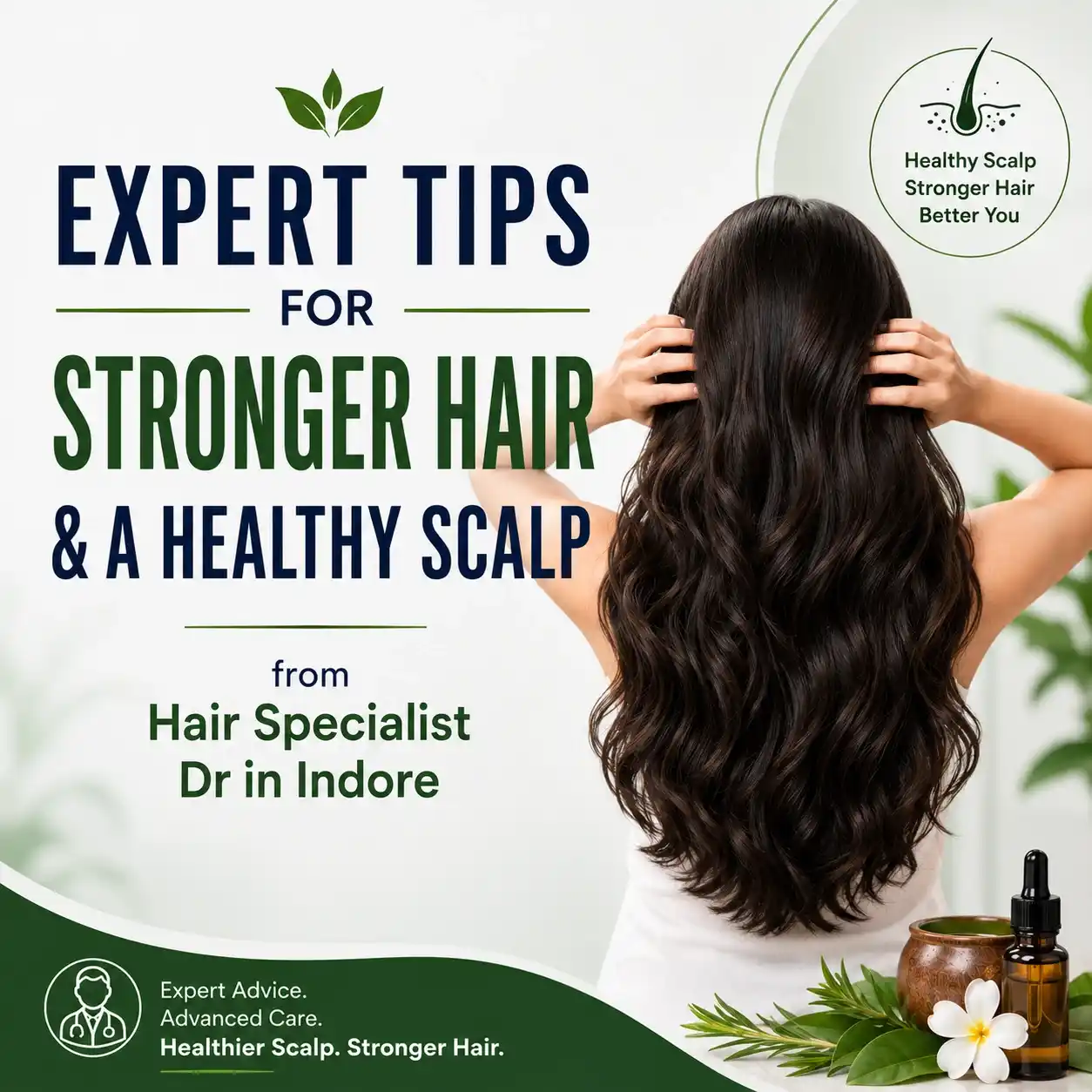
This blog explores expert tips for maintaining stronger hair and a healthier scalp, along with signs that indicate when professional care may be necessary.
Why Scalp Health Matters for Strong Hair
Hair grows from follicles located within the scalp. For healthy growth, these follicles need a clean, well-maintained environment. Excess oil, buildup, inflammation, dandruff, or untreated scalp conditions can interfere with normal hair growth.
A healthy scalp should generally feel comfortable without persistent itching, burning, excessive flaking, or inflammation. Maintaining scalp health is therefore an important part of any long-term hair-care routine.
A Hair Specialist Dr in Indore can examine the scalp and hair follicles to determine whether an underlying condition is contributing to hair problems.
Expert Tips for Stronger Hair and a Healthy Scalp
1. Follow a Balanced, Nutrient-Rich Diet
Hair is primarily made of a protein called keratin, making adequate protein intake important for normal hair growth. Your diet should include a variety of nutrient-rich foods.
Consider including:
- Eggs and lean proteins
- Pulses and legumes
- Green leafy vegetables
- Fruits
- Nuts and seeds
- Whole grains
- Dairy or suitable alternatives
Nutrients such as iron, zinc, vitamin D, and protein can play important roles in maintaining healthy hair. If you suspect a nutritional deficiency, speak with a healthcare professional before starting supplements.
2. Keep Your Scalp Clean
Regular scalp cleansing helps remove sweat, excess oil, dead skin cells, and product buildup.
Choose a shampoo according to your scalp type rather than simply selecting a product based on marketing claims. People with oily scalps may need more frequent cleansing, while dry or sensitive scalps may benefit from a gentler routine.
Avoid aggressive scrubbing, as excessive friction can irritate the scalp.
3. Don’t Ignore Persistent Dandruff
Occasional flaking can occur, but persistent dandruff accompanied by itching, redness, or inflammation may require professional evaluation.
Conditions such as seborrheic dermatitis, psoriasis, or fungal infections can sometimes resemble ordinary dandruff. Treating the underlying condition is more effective than repeatedly changing cosmetic products.
A Hair Specialist Dr in Indore can determine the cause and recommend appropriate scalp treatment.
4. Avoid Excessive Heat Styling
Frequent use of straighteners, curling irons, and high-temperature blow dryers can weaken the hair shaft and increase breakage.
To minimize damage:
- Use lower heat settings.
- Avoid holding heat tools on one area for too long.
- Use heat-protective products when appropriate.
- Give your hair regular breaks from heat styling.
Remember that reducing hair breakage is different from treating hair loss at the follicle level.
5. Be Careful With Chemical Treatments
Frequent coloring, bleaching, straightening, and perming can make hair dry and fragile, particularly when treatments are performed incorrectly or too frequently.
If you notice significant breakage after chemical treatments, reduce their frequency and focus on gentle hair care.
6. Avoid Tight Hairstyles
Regularly wearing very tight ponytails, buns, braids, or extensions can place continuous tension on hair follicles.
This may contribute to traction-related hair loss over time. Choose looser hairstyles and avoid pulling the hair tightly from the same area every day.
7. Manage Stress
Stress can affect the normal hair-growth cycle. Some people experience increased shedding several weeks or months after significant physical or emotional stress.
Regular exercise, adequate sleep, relaxation techniques, and a balanced routine can support overall well-being and may help manage stress-related hair concerns.
If sudden or persistent hair shedding occurs, professional evaluation is recommended rather than assuming stress is the only cause.
8. Protect Your Hair From Environmental Damage
Indore’s changing weather, dust, pollution, and sun exposure can affect hair and scalp condition.
Helpful habits include:
- Covering your hair when exposed to excessive dust.
- Washing the scalp appropriately after heavy sweating.
- Avoiding prolonged direct sun exposure.
- Keeping your hair-care routine gentle.
Environmental protection should complement, not replace, appropriate medical treatment when a scalp condition is present.
9. Avoid Random Hair Supplements
Hair supplements are widely promoted online, but taking nutrients without identifying a deficiency may not solve the underlying problem.
Excessive intake of certain vitamins and minerals can also cause unwanted effects. If hair loss is persistent, a Hair Specialist Dr in Indore may recommend appropriate tests based on your symptoms and medical history before suggesting supplementation.
10. Choose Hair Products According to Your Scalp Type
There is no single shampoo or conditioner that works for everyone.
Your scalp may be:
- Oily
- Dry
- Sensitive
- Flaky
- Combination
Similarly, your hair may be fine, thick, curly, straight, chemically treated, or prone to breakage. Selecting products according to your individual needs can help maintain scalp comfort and hair quality.
Signs You Need to Visit a Hair Specialist
Sometimes lifestyle changes are not enough. Consider consulting a Hair Specialist Dr in Indore if you notice:
- Sudden or excessive hair shedding
- Progressive hair thinning
- Receding hairline
- Visible bald patches
- Persistent dandruff
- Scalp redness or itching
- Painful scalp lesions
- Significant hair breakage
- Changes in hair texture
- Hair loss that continues for several months
Early evaluation can help identify the cause and determine whether medical treatment is needed.
How a Hair Specialist Can Help
A professional hair consultation typically begins with a detailed discussion about your symptoms, medical history, family history, lifestyle, diet, medications, and hair-care habits.
The scalp and hair may then be examined using clinical assessment or specialized tools such as trichoscopy when appropriate.
Depending on the findings, your specialist may recommend:
- Medical treatment
- Scalp-specific therapies
- Nutritional evaluation
- PRP therapy for suitable candidates
- Management of dandruff or scalp disorders
- Hair restoration procedures when indicated
The right treatment depends on the underlying diagnosis, so avoiding self-diagnosis is important.
Benefits of Professional Hair Care
Choosing a qualified Hair Specialist Dr in Indore can provide several advantages:
- Identification of the underlying cause
- Personalized treatment planning
- Professional scalp evaluation
- Appropriate use of advanced hair therapies
- Monitoring of treatment progress
- Guidance for long-term hair and scalp care
Professional treatment can also prevent people from spending excessive time and money on unsuitable products.
Building a Simple Hair-Care Routine
A practical routine does not need to be complicated.
Start with:
Cleanse: Wash your scalp according to its needs.
Condition: Apply conditioner primarily to the lengths and ends when appropriate.
Protect: Limit excessive heat and chemical exposure.
Nourish: Maintain a balanced diet with adequate protein and essential nutrients.
Observe: Pay attention to changes in hair fall, scalp condition, or hair density.
Consult: Seek professional advice when symptoms persist or worsen.
Consistency is often more important than using a large number of products.
Final Thoughts
Stronger hair and a healthy scalp require more than choosing the right shampoo. Nutrition, gentle hair-care habits, stress management, scalp hygiene, and timely professional evaluation all play important roles.
If you are experiencing persistent hair fall, thinning, dandruff, scalp irritation, or other concerns, consulting a Hair Specialist Dr in Indore can help you understand the underlying cause and explore suitable treatment options.
With the right diagnosis and consistent care, you can support healthier hair, maintain scalp health, and avoid unnecessary treatments that may not address the real problem.
FAQs
1. How can a Hair Specialist Dr in Indore help with hair fall?
A Hair Specialist Dr in Indore can evaluate your hair and scalp, identify potential causes of hair loss, and recommend a personalized treatment plan based on your symptoms and diagnosis.
2. How often should I wash my hair for a healthy scalp?
The ideal frequency depends on your scalp type, lifestyle, and hair condition. Oily scalps may require more frequent washing, while dry or sensitive scalps may need a gentler schedule.
3. Can diet affect hair health?
Yes. Adequate protein and essential nutrients are important for normal hair growth. If nutritional deficiency is suspected, professional evaluation can help determine whether testing or supplementation is appropriate.
4. When should I see a Hair Specialist Dr in Indore?
Consider professional consultation if you experience persistent hair fall , thinning, bald patches, scalp itching, excessive dandruff, redness, or unexplained changes in hair texture.
5. Can hair treatments guarantee permanent hair growth?
No hair treatment can guarantee results for everyone. Effectiveness depends on the underlying cause, stage of hair loss, individual health, and treatment adherence. A specialist can explain realistic expectations after evaluation.